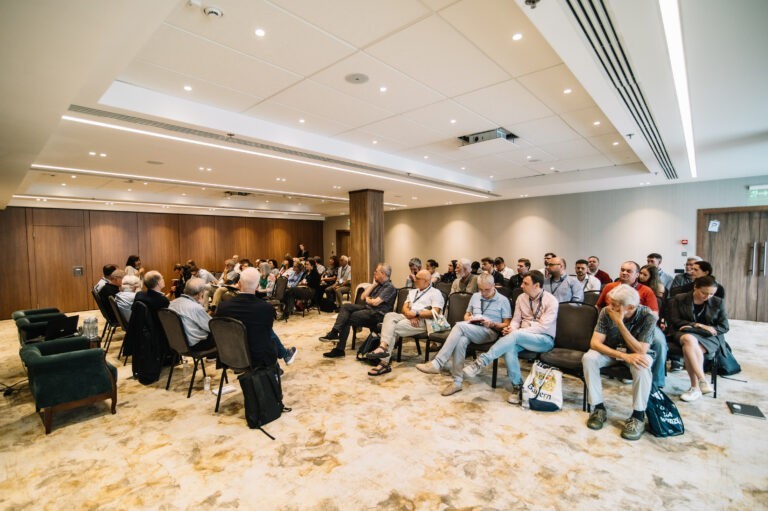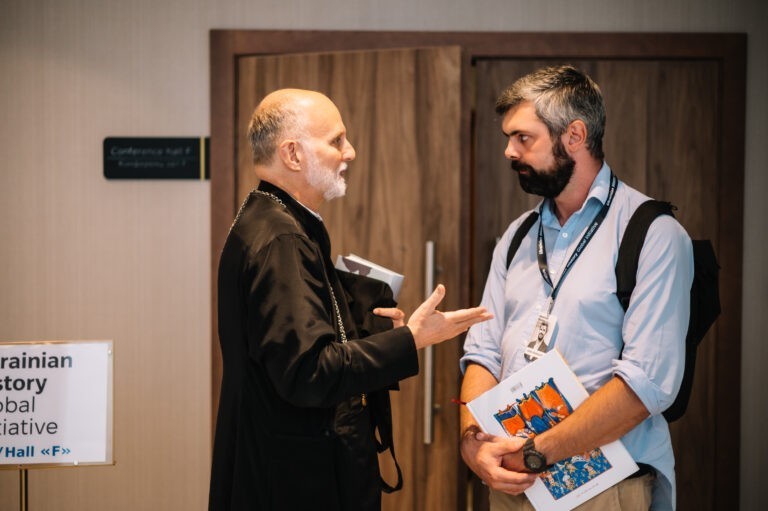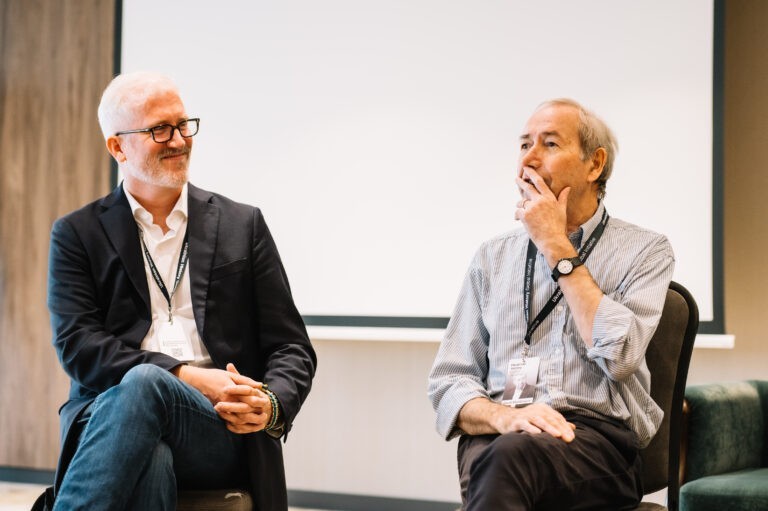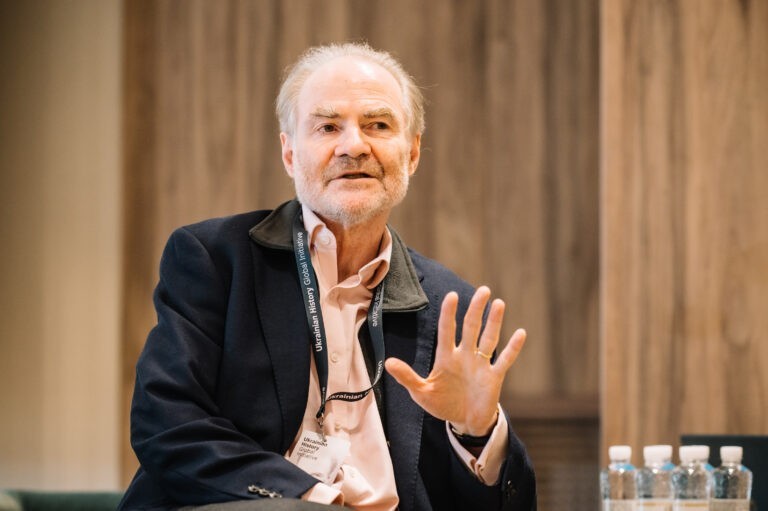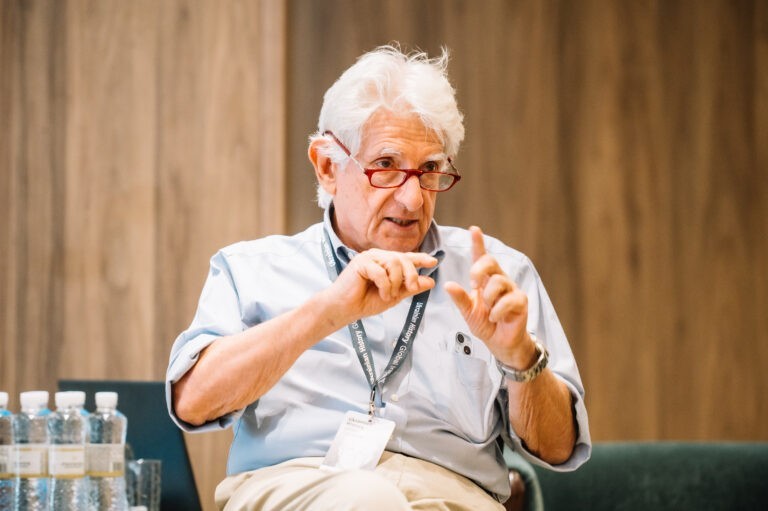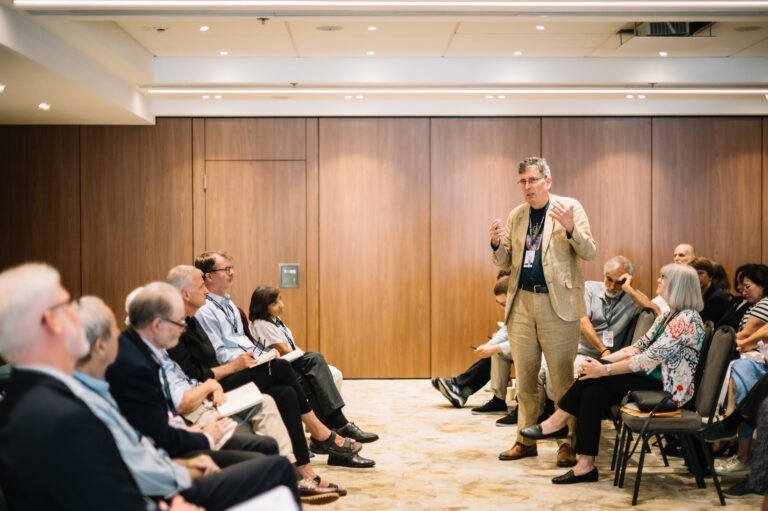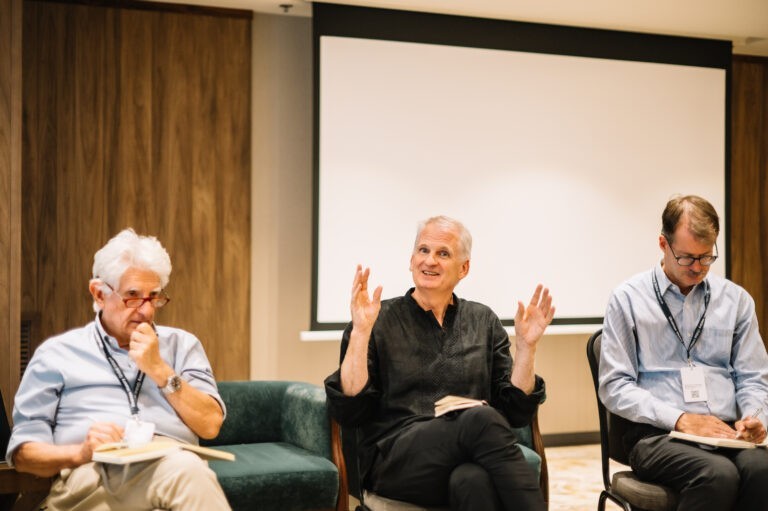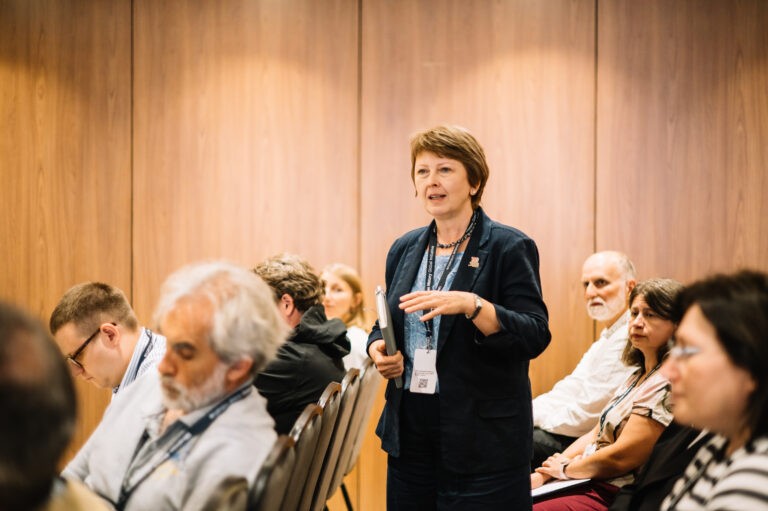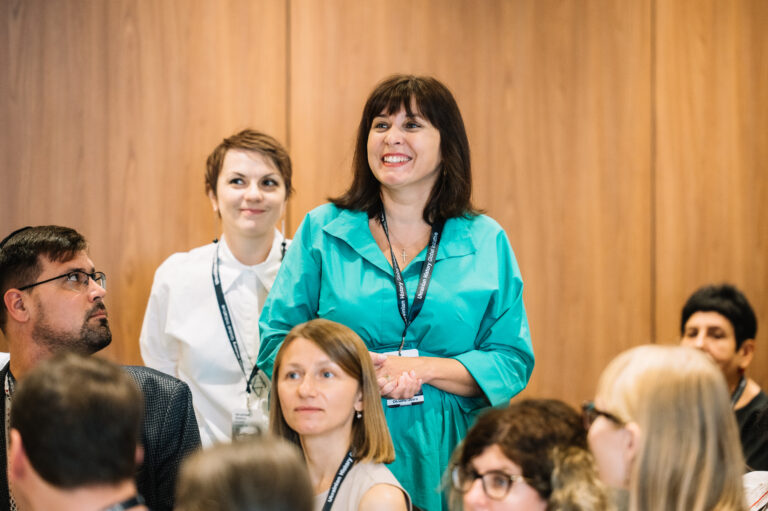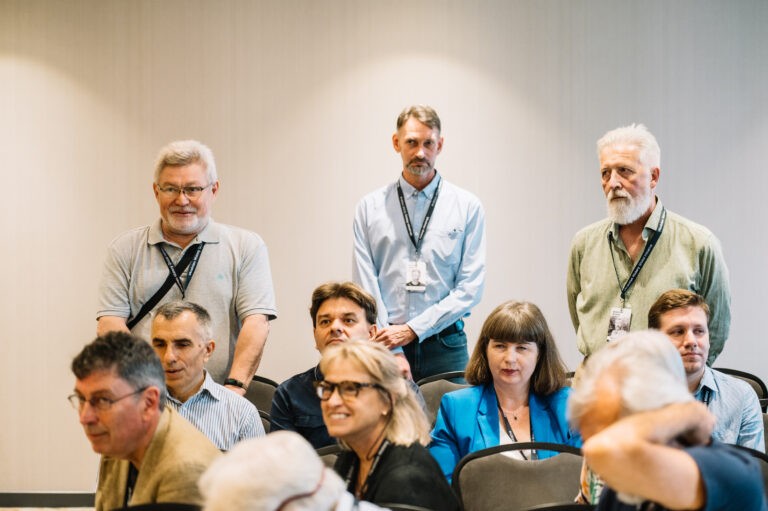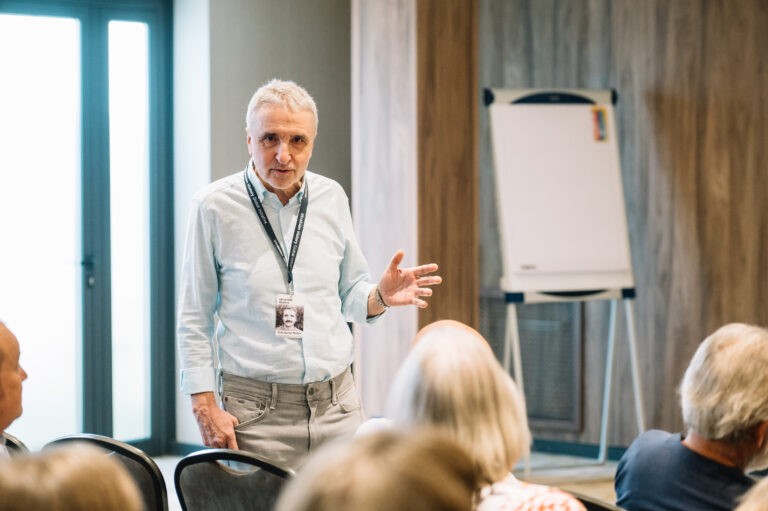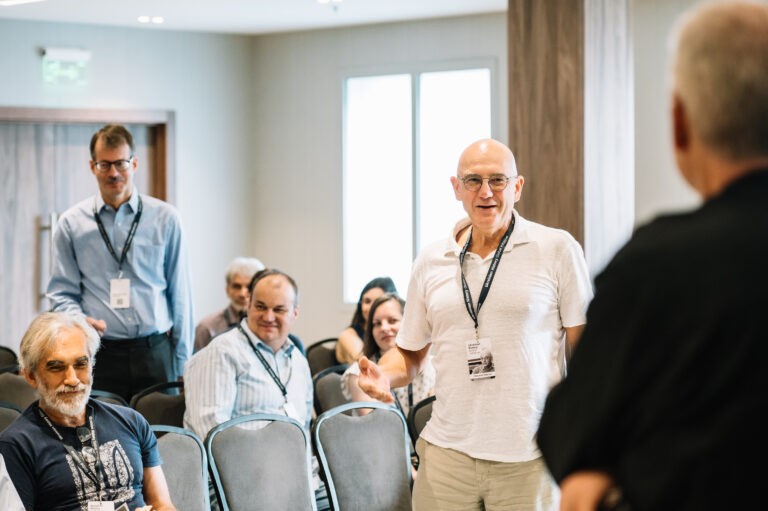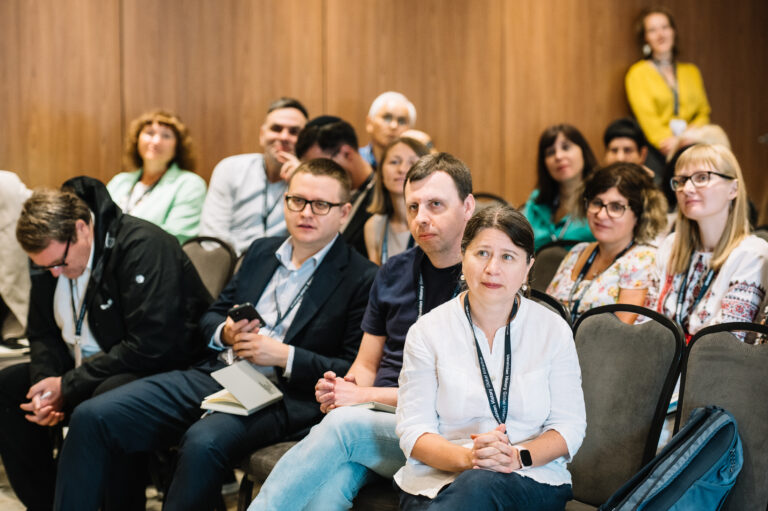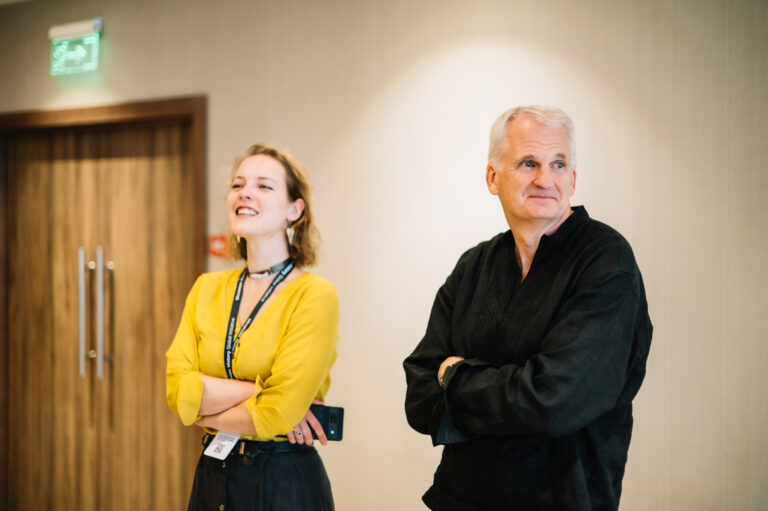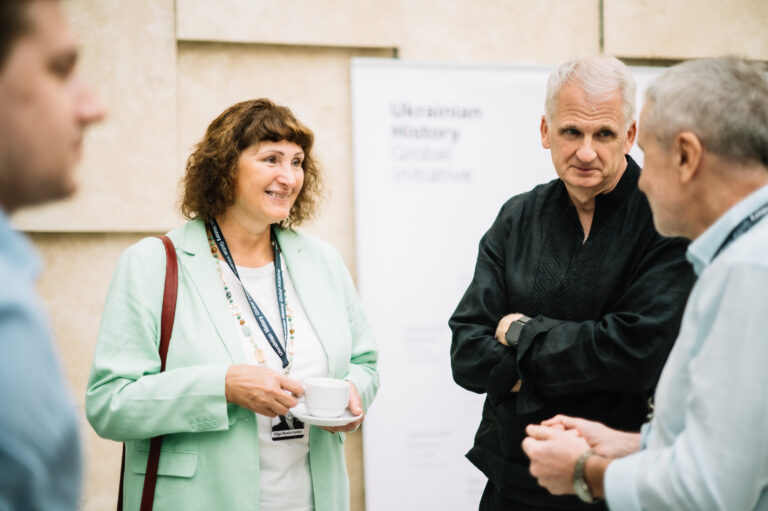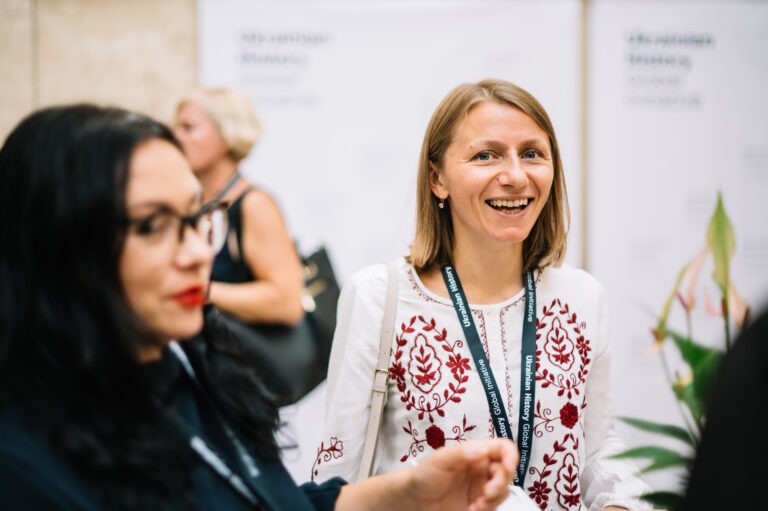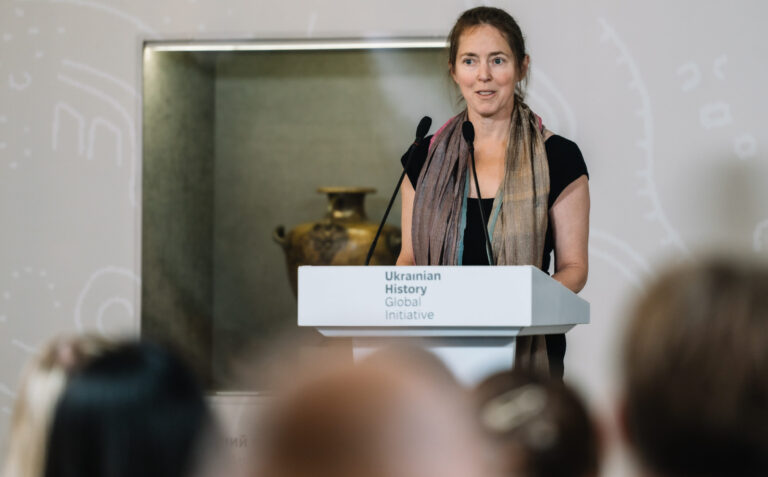
On September 10-12, 2024, the first Annual Conference of the Ukrainian History Global Initiative took place in Kyiv. 56 scholars, participants of the project from Ukraine, the United Kingdom, the United States, Germany, Poland, Italy, and other countries gathered to present their research, engage in discussions, and establish professional connections.
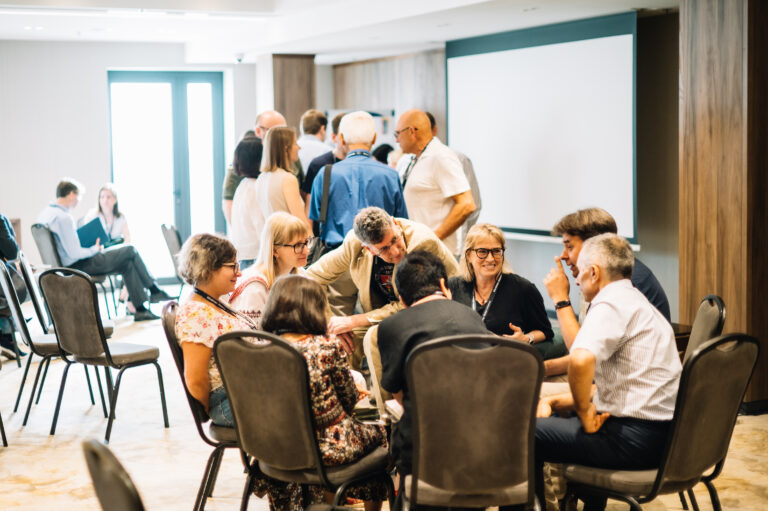
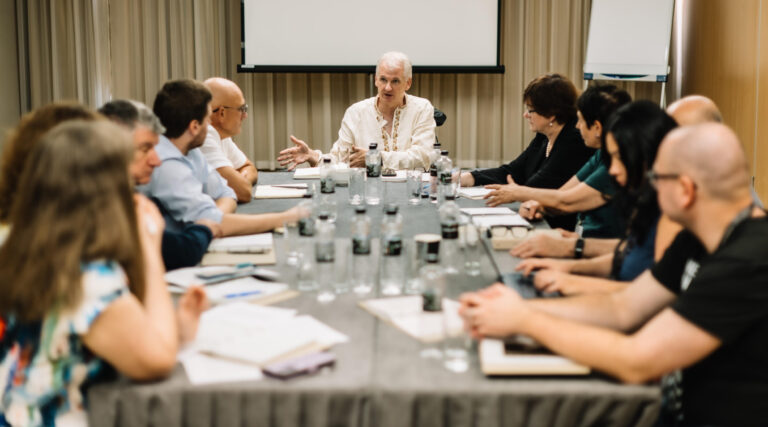
The format of the conference differed from the usual academic conferences and was focused on the active participation of scholars, commenting and listening to the other ideas, and making connections between different research capsules.
The conference consisted of three breakout sessions. During each six workshops with 5-12 participants were held in parallel. Sometimes participants were asked to present their topic to colleagues who work on very distant subjects and even from other fields. As Timothy Snyder emphasized during the introductory session “If we cannot reach the colleagues, we will not reach the general public when the time comes. And sometimes the great distance generates the most useful perspective”.
The workshops were moderated by respected scholars and members of the Academic Council: Timoty Snyder, Borys Gudziak, Tetiana Hoshko, Eckart Frahm, Andrea Graziosi, David Blackbourn, Yaroslav Hrytsak, Anton Drobovych, Rory Finnin and Timothy Garton Ash.
The sessions proved to be highly productive, achieving their primary goals: defining the subjects and proposing hypotheses and methods, facilitating connections among participants, generating new ideas, and establishing grounds for further collaboration between researchers and topics that might initially seem unrelated.
The 2024 conference marks the beginning of research work, to be followed by two major conferences in 2025 and 2026, alongside numerous workshops in between. Collaboration itself will generate approaches and findings that cannot be anticipated at the outset, nor achieved by scholars working in isolation.
The Ukrainian History Global Initiative is a collective endeavor, and collaboration is at the core of the project’s success.