The Ukrainian History Global Initiative has entered the next phase, with researchers beginning to draft their papers. This stage has made communication and exchanges between scholars even more important.
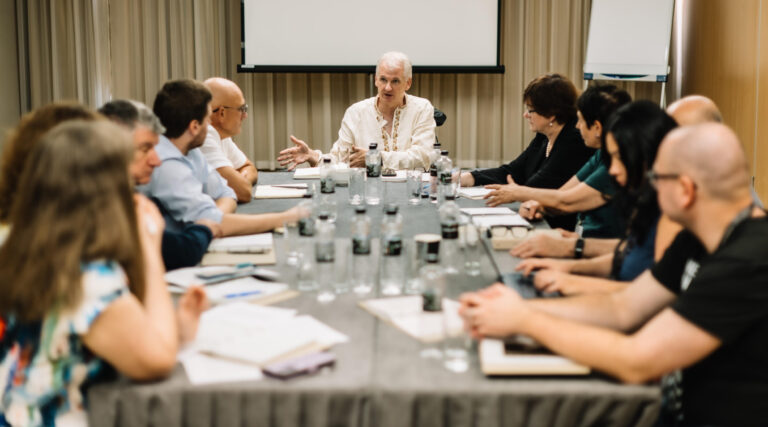
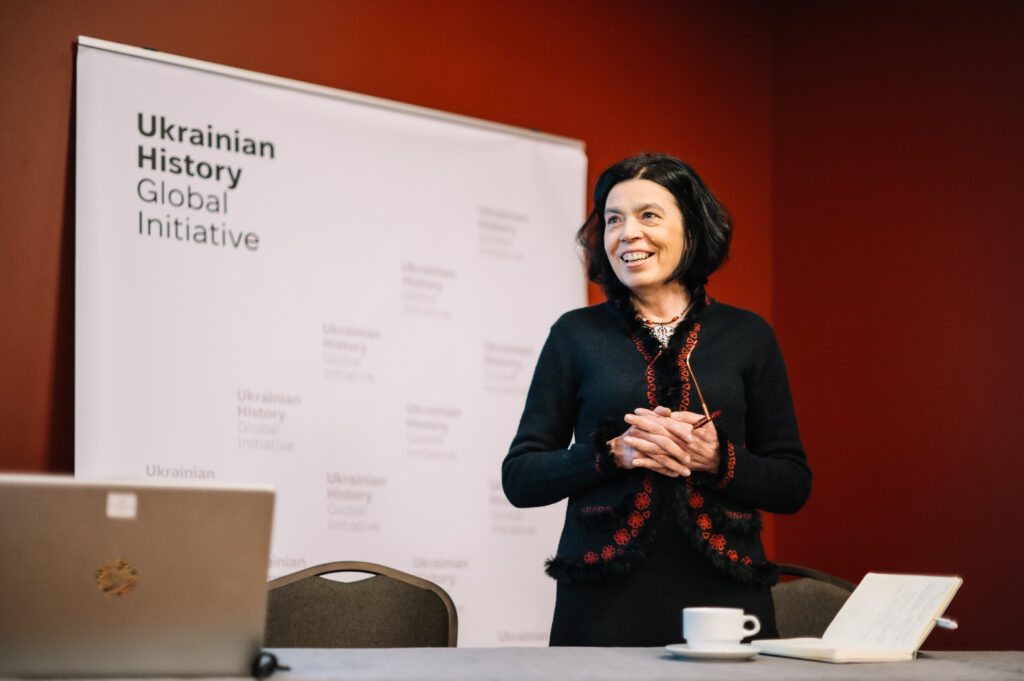
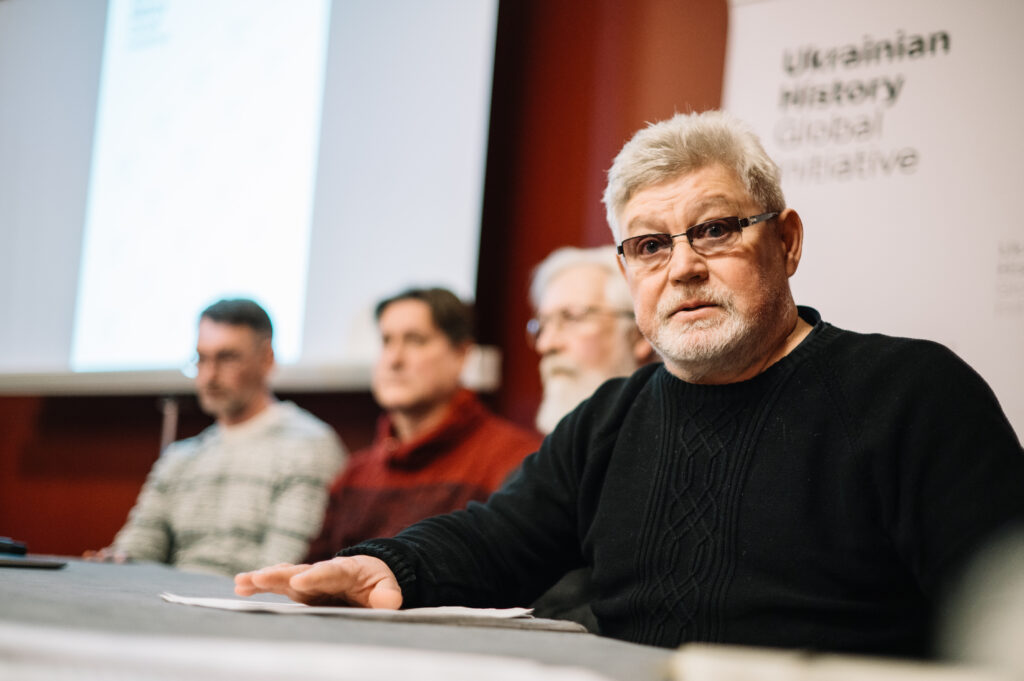
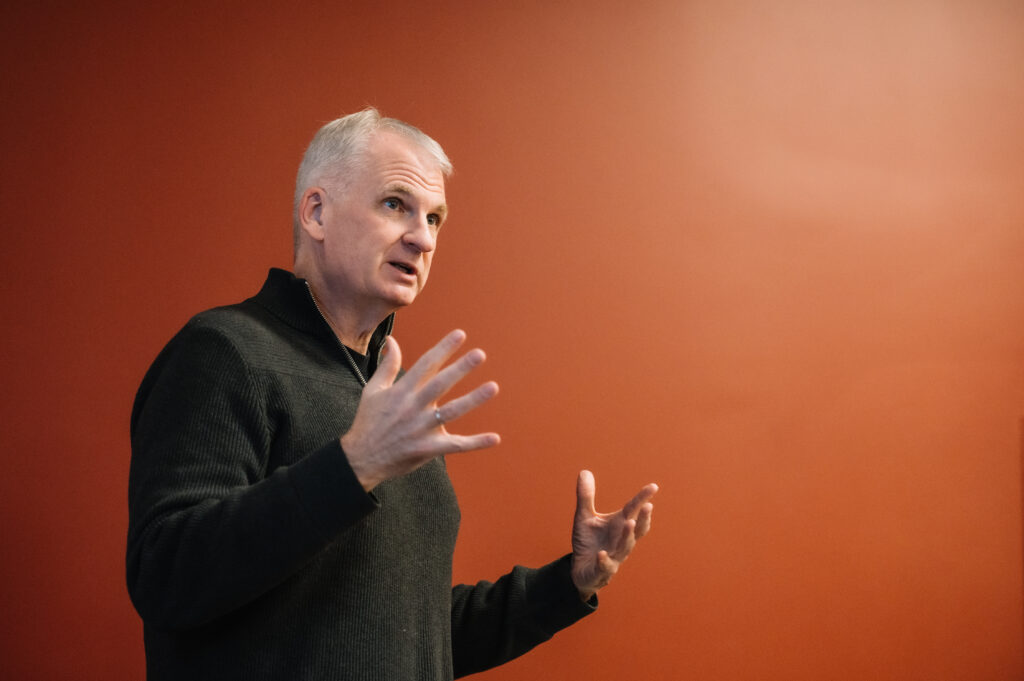
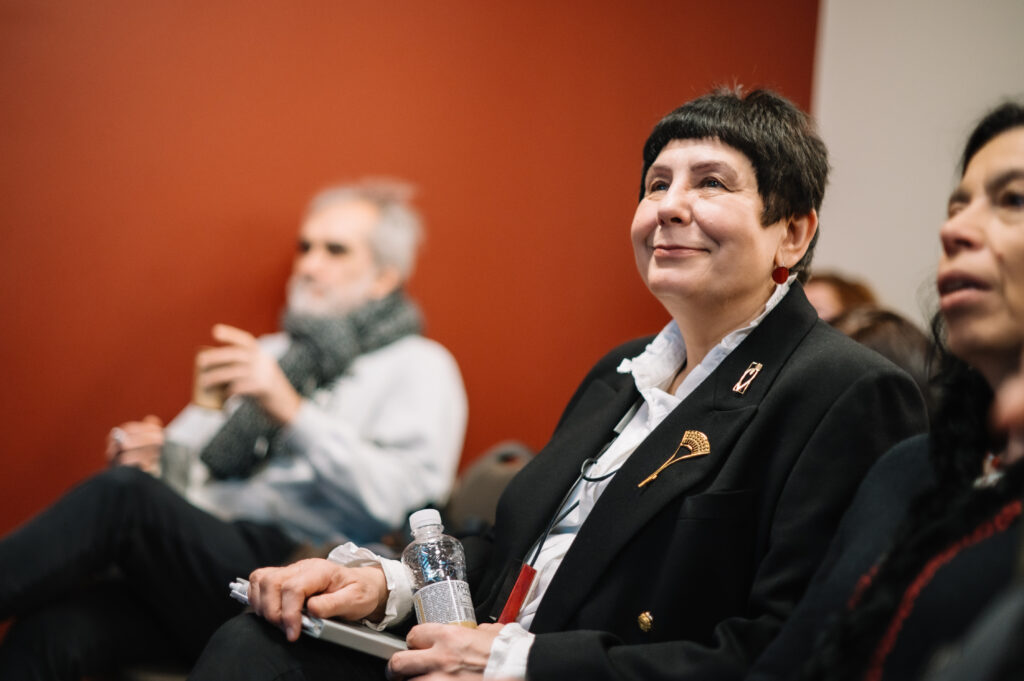
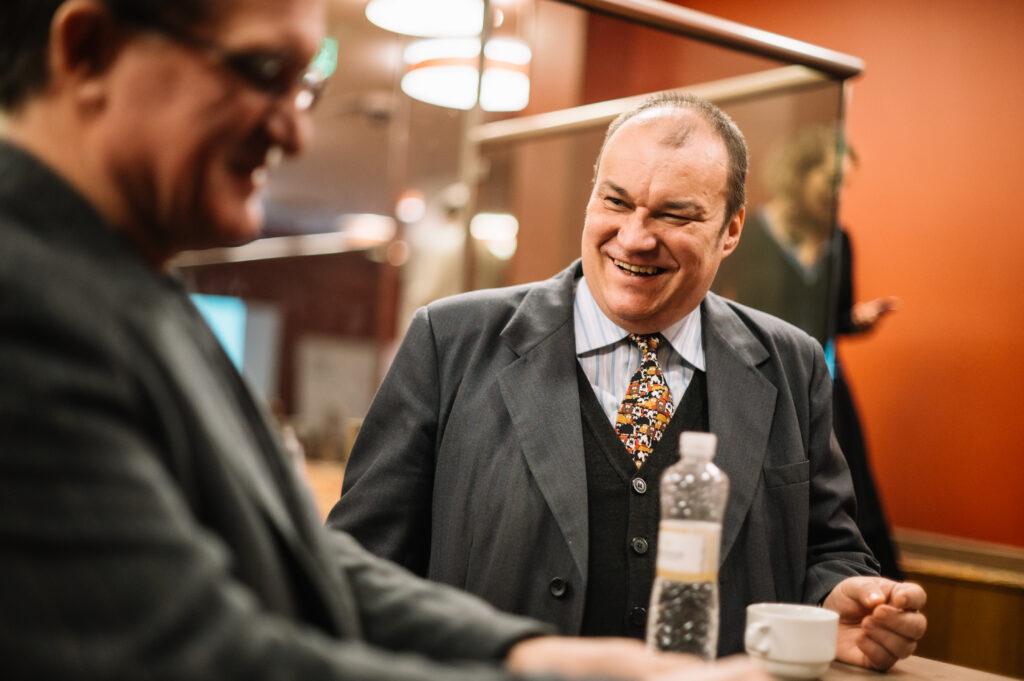
On February 10, 2025, thirty scholars based in Ukraine gathered in Kyiv to discuss historical topics ranging from prehistoric times to the 21st century. While their areas of research differ, participants worked to understand one another’s perspectives, as the final texts will need to connect and engage with each other. The workshop was initiated and moderated by Timothy Snyder, with Ola Hnatiuk and Yaroslav Hrytsak, from the Academic Council, also taking part, leading the panels and providing feedback.
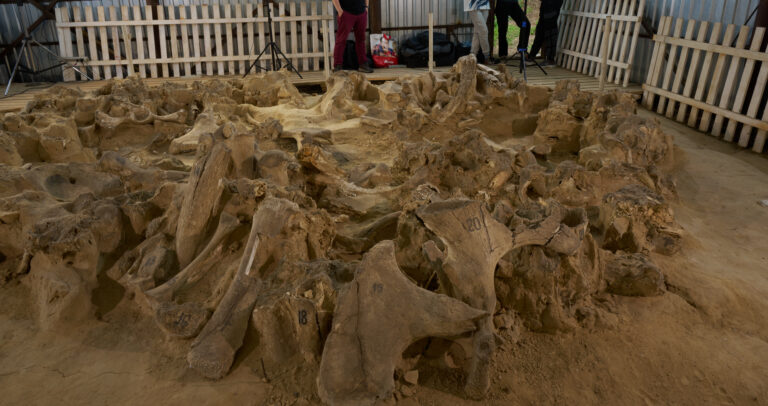
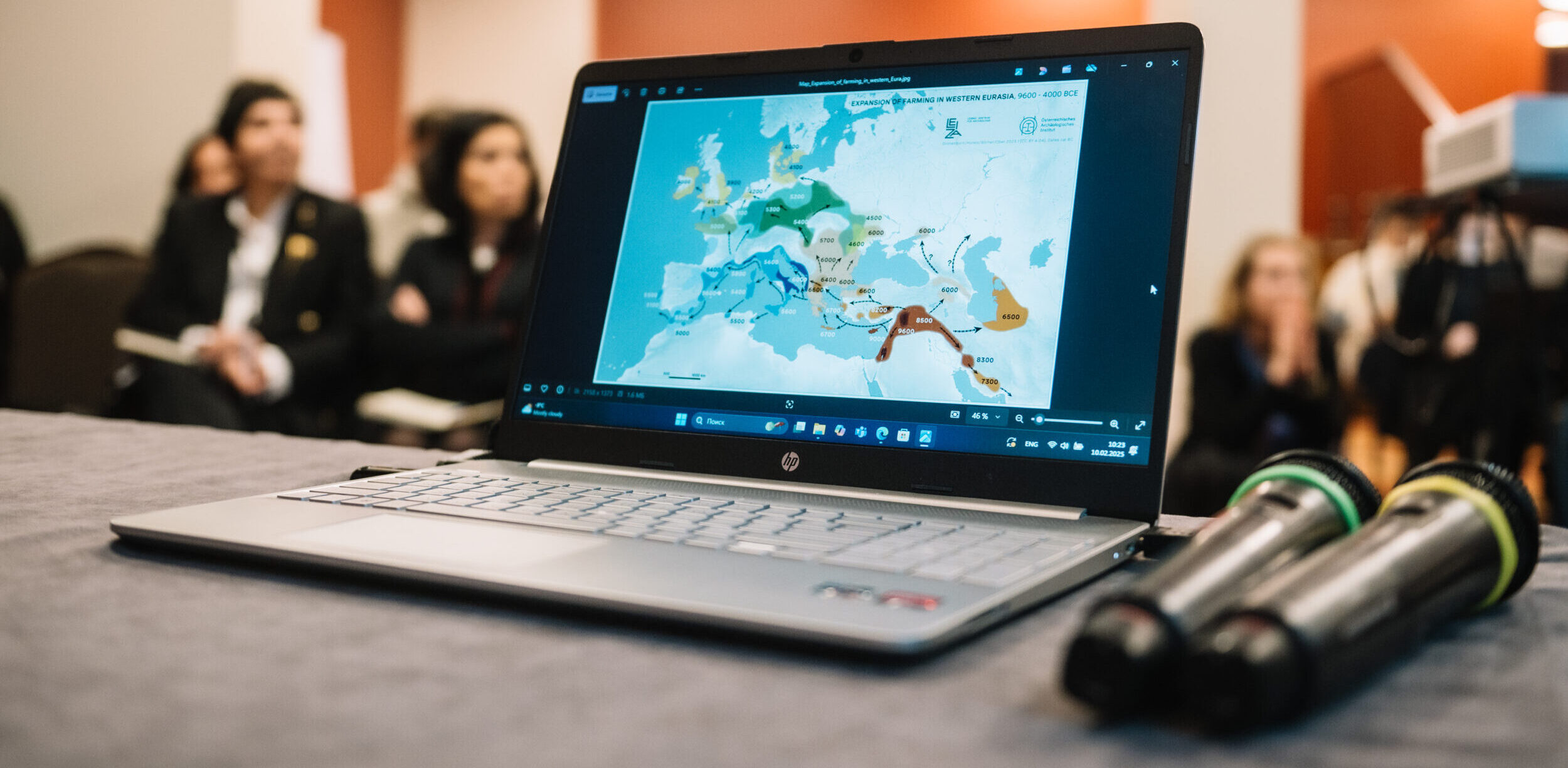
The workshop opened with a session on the prehistoric period, a time before recorded history. Victor Chabai gave a talk on the Last Glacial Maximum (26,000–20,000 years ago), describing its impact on the environment and human populations in Europe. Yuri Rassamakin followed with an overview of early pastoral cultures in the Black Sea steppes, examining how they interacted with the first agricultural societies. Serhii Telizhenko and Pavlo Shydlovskyi examined Neolithic transformations, highlighting the complexity and multi-variant nature of prehistoric societies.
Many key developments in Eastern European prehistory took place in what is now Ukraine or passed through its territory. The Dnipro and Dniester valleys played a crucial role in the spread of technological innovations, migration, and cultural exchanges between different regions of Europe, from the Black Sea to the Baltic.
After a short break, presentations shifted to later periods. Volodymyr Masliychuk explored settlement patterns along the forest-steppe border in the 16th–18th centuries, while Oksana Dzera examined how translations of the texts, particularly the Bible, shaped national identity. Gennadii Kazakevych highlighted the use of 19th- and early 20th-century photography as a historical source for studying urban middle-class identities. The “War as Experience” capsule, presented by Nataliya Gumenyuk, focused on Ukrainians’ diverse experiences during the ongoing war.
A discussion session followed, focusing on topics and questions that extend across multiple research capsules. The first part, moderated by Oleksandr Halenko, explored how much Ukrainian history centers on the nation and the territory, and how these concepts are interconnected. The second part, led by Martin-Oleksandr Kisly and moderated by Yaroslav Hrytsak, considered the integration of the history of Crimea within various research capsules of the project. The final part, led by Oksana Kis, examined the challenges and benefits of incorporating women’s perspectives into history writing. This prompted a productive exchange on how scholars approach gender optics in their individual research projects.
The Initiative also welcomes collaboration with scholars outside the project who share their time and expertise to foster intellectual debates and improve the output of the project. This time, the Initiative appreciated the participation of Dr. Liudmyla Hrynevych, Head of Holodomor Research and Education Centre in Ukraine, and Dr Martin-Oleksandr Kisly, Director of the “Crimean Studies” Center at the National University of Kyiv-Mohyla Academy, whose expertise and insightful feedback enriched the discussions and contributed to the project’s development.

Photos by Kateryna Lashchykova