Archaeology once thrived on sensations — unique discoveries that changed our understanding of the past through the mere fact of their revelation. It seems this romantic era has ended, but that’s not entirely true — it has evolved. Modern technologies allow us to go even further and uncover significantly more information about the past, hidden in the silent testimonies of antiquity.
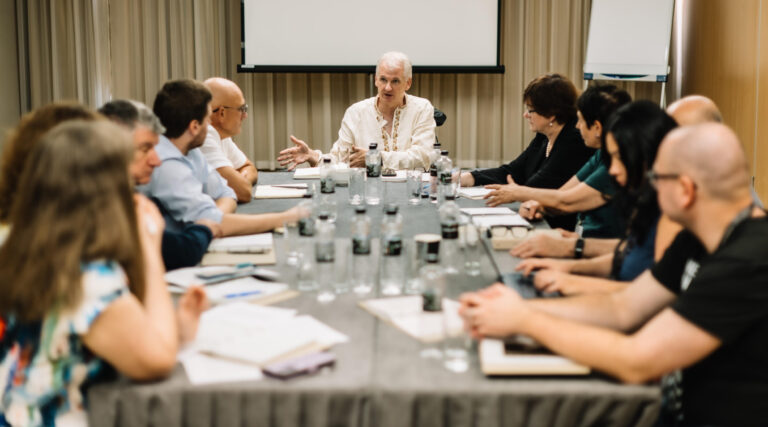
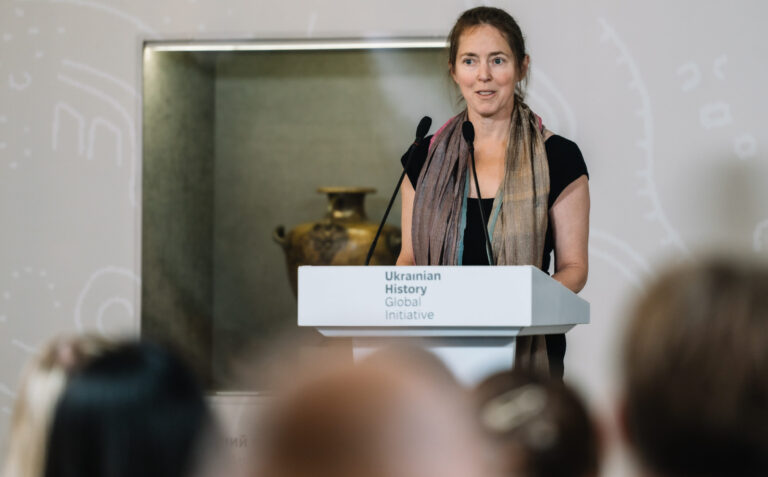
The “Ukrainian History Global Initiative” brings together an international team of archaeologists with an ambitious mission: to tell the complete story of Ukraine’s prehistoric past. Their research spans humanity’s greatest transformations — from the emergence of anatomically modern humans through the agricultural revolution that changed civilization forever. The team is mapping how ancient societies adapted to dramatic environmental changes at the boundary between the Paleolithic and Mesolithic periods. They’re tracing the arrival of farming cultures, documenting early human-nature relationships, and following the great migrations that shaped Europe. This large-scale archaeological endeavor aims to establish Ukraine’s rightful place on the global map of prehistoric civilization.
To achieve this goal, the team is carefully selecting hundreds of samples for analysis at two of Europe’s premier research facilities. These specimens will travel to ETH Zurich in Switzerland and the University of Kiel in Germany. The choice of these specific laboratories is strategic. ETH Zurich specializes in radiocarbon dating, a technique that can determine the absolute age of organic materials with remarkable precision—accurate to within decades. Meanwhile, Kiel houses one of the world’s leading paleogenetics centers, where scientists extract DNA from microscopic bone fragments to reconstruct the genetic profiles of ancient populations.
Ancient DNA analysis demands both specialized expertise and cutting-edge equipment. The Kiel laboratory, where Ukrainian researchers conduct their collaborative work, has mastered the delicate art of extracting genetic codes from people who died millennia ago. Scientists focus on bone fragments with the highest collagen content — particularly the dense petrous portions of temporal bones and teeth. These skeletal elements act as nature’s time capsules, preserving genetic secrets that would otherwise be lost forever.
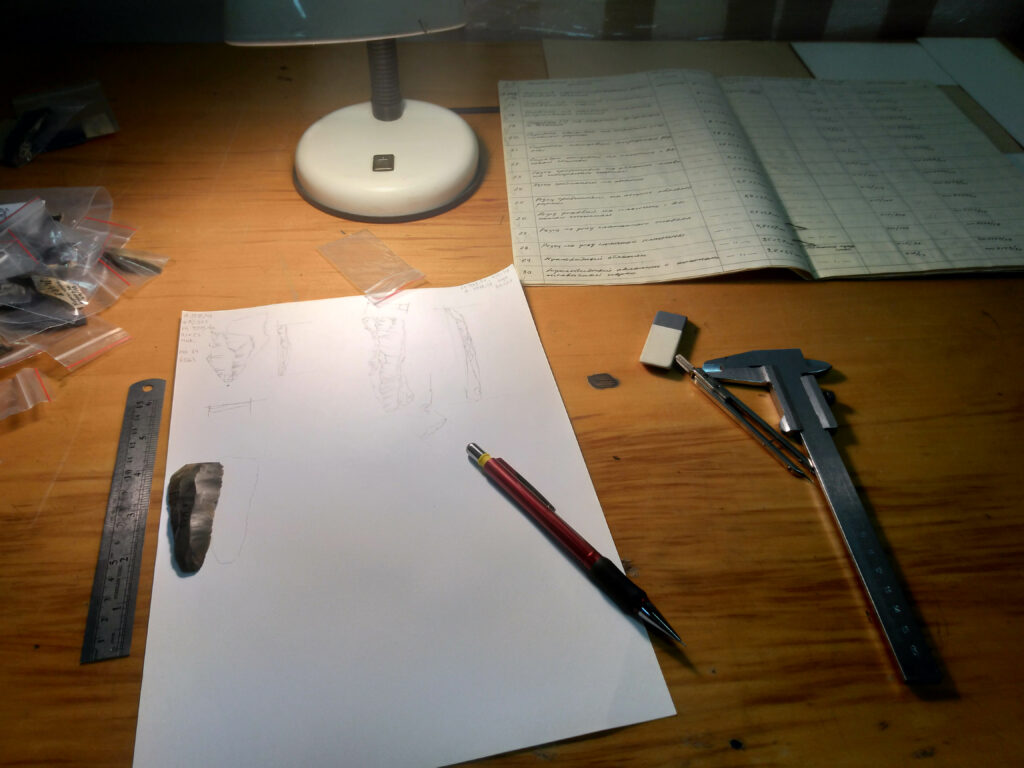
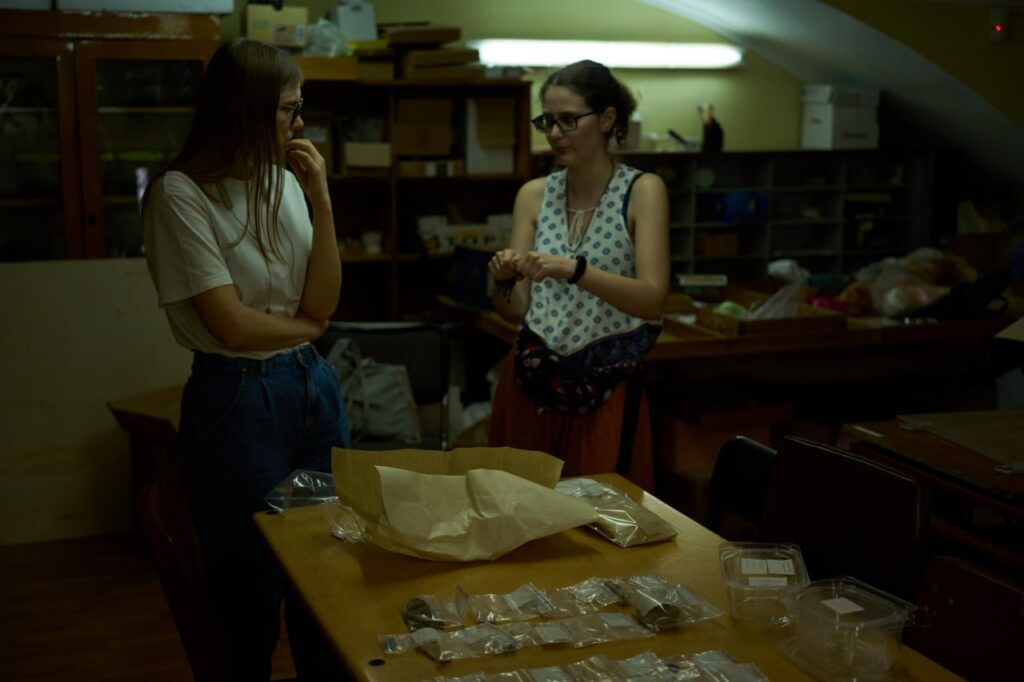
DNA research allows us to determine the origins of ancient communities, their migration routes, processes of mixing with other groups, and adaptation to climate changes. Each sample is meticulously documented: the location of the find, year of excavation, and depth of occurrence are recorded. Photographic documentation and examination for pathological changes are mandatory.
At the Swiss laboratory, radiocarbon dating will take place — a process that allows establishing the absolute age of organic remains with precision that until recently seemed impossible. Each sample undergoes a complex preparation process, where the accuracy of stratigraphy and clear archaeological context are critically important.
Early this year, researchers began the meticulous laboratory processing of their archaeological finds. They are analyzing artifacts from sites spanning multiple historical periods, all collected through partnerships with Ukrainian institutions across the country. The current batch of 434 samples represents just the beginning of this ambitious research program. As results emerge from these initial tests, they will unlock new insights from discoveries that have waited decades for proper analysis. The refined data promises to reshape our understanding of ancient populations throughout Ukrainian territories and beyond.

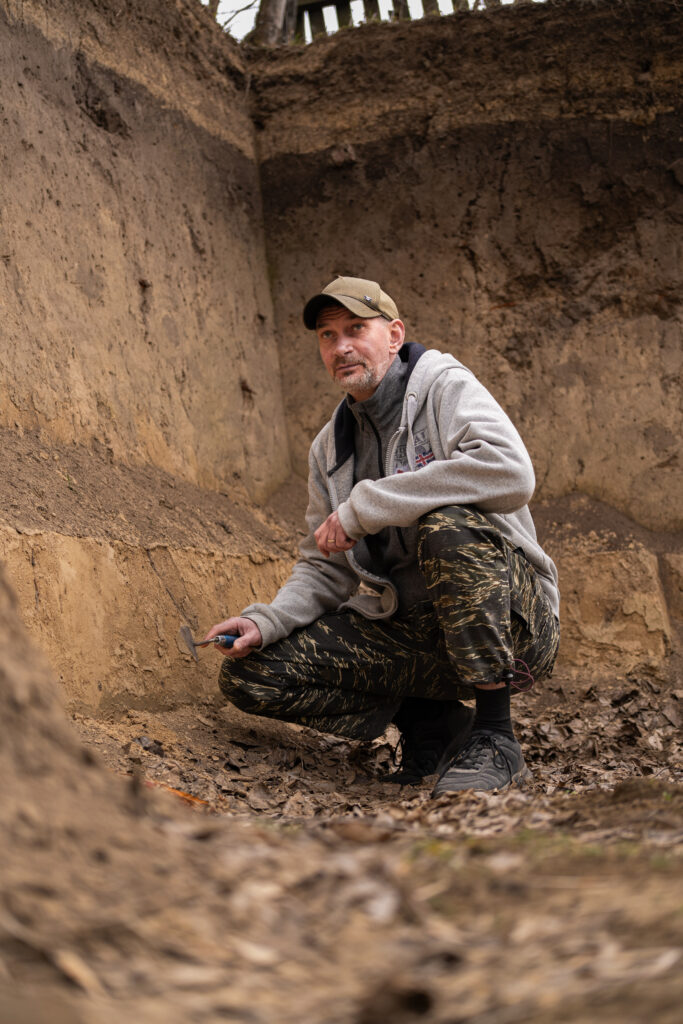
This summer marks a pivotal moment as Ukrainian archaeologists return to fieldwork at three crucial prehistoric sites. Their first destination lies 120 kilometers south of Kyiv, along the banks of the Ros River. Here stands Mezhyrich — arguably Ukraine’s most celebrated archaeological treasure and one of the few sites where excavations continue year after year.
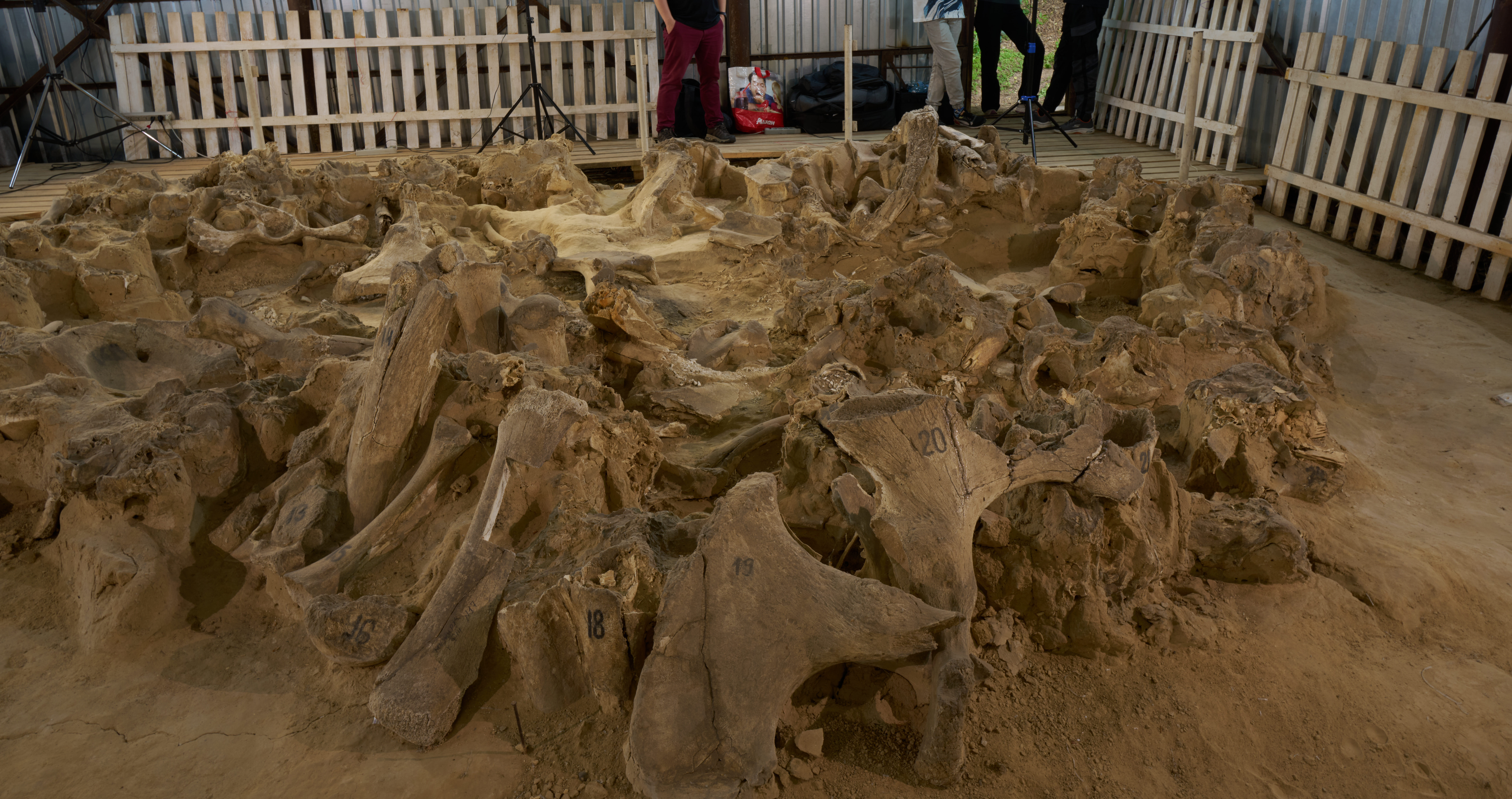
Mezhyrich holds a unique place in archaeological history. The site preserves remarkably intact dwelling structures built entirely from mammoth bones, some dating back 15,000 years. This Late Paleolithic settlement occupies a strategic cape where the Ros and Rosava rivers meet. It offers a rare window into an almost unimaginable past — a time when massive ice sheets blanketed nearly all of Europe.
Over the past year, researchers under the leadership of Pavlo Shydlovskyi processed over a thousand artifacts from Mezhyrich excavations — five hundred fifty-one samples of mammal bones, including traces of human processing, and over four hundred twenty flint products. Each find can tell us about the technologies and way of life of mammoth hunters.
The second site lies 400 kilometers west in the Carpathian foothills. Tustan, located in the Ivano-Frankivsk region, represents archaeology’s version of a cultural crossroads. This multi-layered settlement sits precisely where ancient trade routes connected Western and Eastern Europe, creating a meeting point for diverse cultures and peoples.
Tustan’s most prominent layer belongs to the Linear Pottery culture — the pioneering farmers who introduced agriculture to Europe 7,000 years ago. But the site tells a far richer story. Archaeologists have uncovered materials spanning millennia, from the Trypillia culture through the Mierzanowice, Trzciniec, and Chernyakhiv cultures, extending even into the era of Kyivan Rus.
The site’s archaeological density is remarkable. Last year’s excavation covered just seven square meters yet produced over 400 artifacts—clear evidence of intensive human activity across thousands of years. This summer, researchers will expand their dig to 20 square meters. If the artifact density remains consistent, they could uncover more than 1,000 new finds.
The third destination takes the team 300 kilometers south to the village of Bohdanivka in the Mykolaiv region. Here, amid the endless steppe landscape, lies one of Eastern Europe’s most significant Neolithic settlements. This Bug-Dniester culture site has been studied systematically since the 1930s, yet it continues to yield new secrets.
Under archaeologist Serhii Telizhenko’s direction, this year’s excavation will cover 32 square meters of the main settlement area. The team will also explore 20 square meters of a layer that remained untouched since 2021, potentially doubling their research scope.
Today’s archaeology has evolved far beyond simple treasure hunting. Modern researchers work as historical detectives, reconstructing entire ancient worlds from fragmentary evidence. A single small bone fragment, when properly analyzed within its cultural context, can revolutionize our understanding of prehistoric migration patterns, ancient diets, or past climate conditions.
The project is implemented in partnership with the NGO “Center for Paleoethnological Research.”