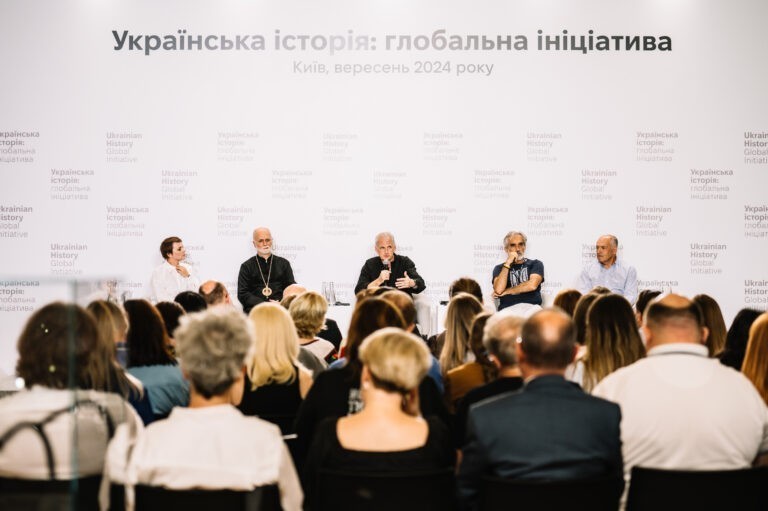
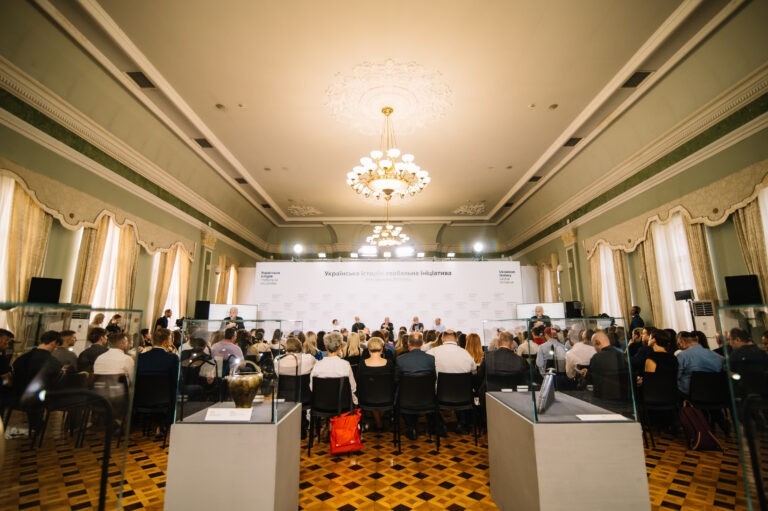
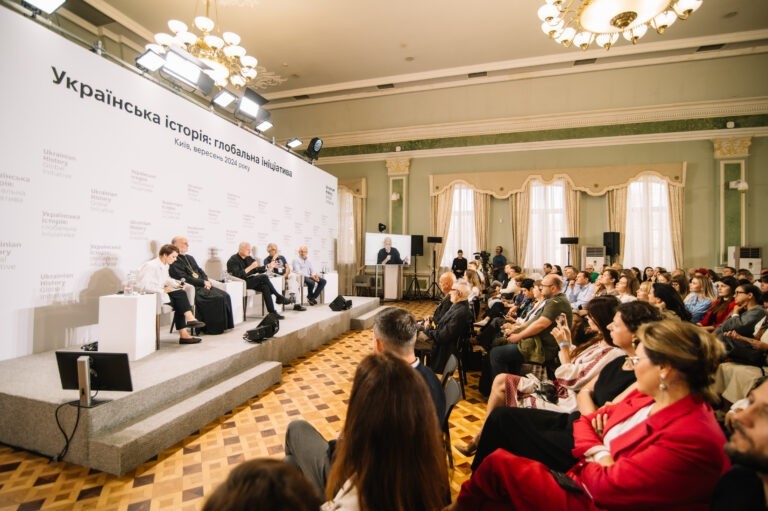
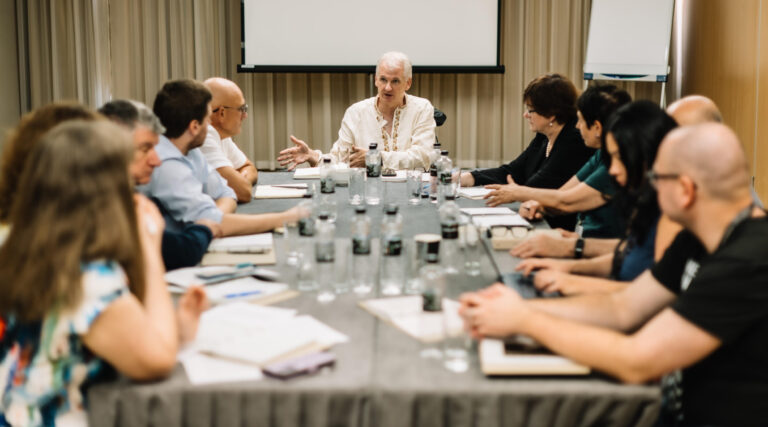
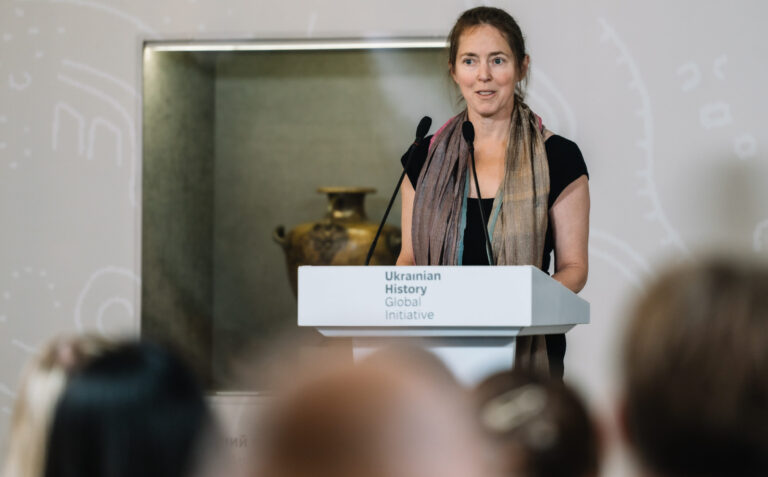
On September 11 the Ukrainian History Global Initiative presented names of around 90 researchers who over the next three years will work on 70 topics designed to explore the deep longue durée global history of Ukraine. 26 members of the Academic Advisory Board from Europe, North America, Asia and Africa will help the researchers make a significant impact and search for unexpected new links.
The majority of researchers are Ukrainian; they are joined by approximately 40 historians from the USA, Poland, United Kingdom, Israel, Canada, Norway, Belgium, Switzerland, Germany and France. As a result of the project, a major study on Ukrainian history will be made accessible as a three-million word online encyclopedia and published in two books for the wider public both in Ukraine and internationally.
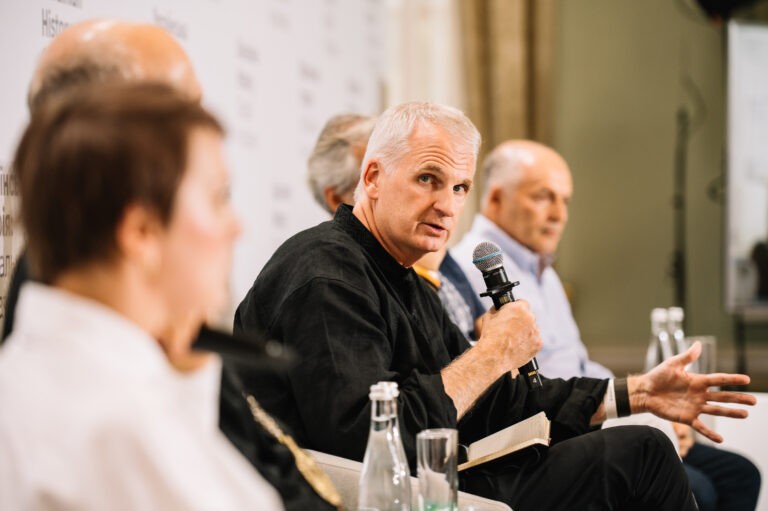
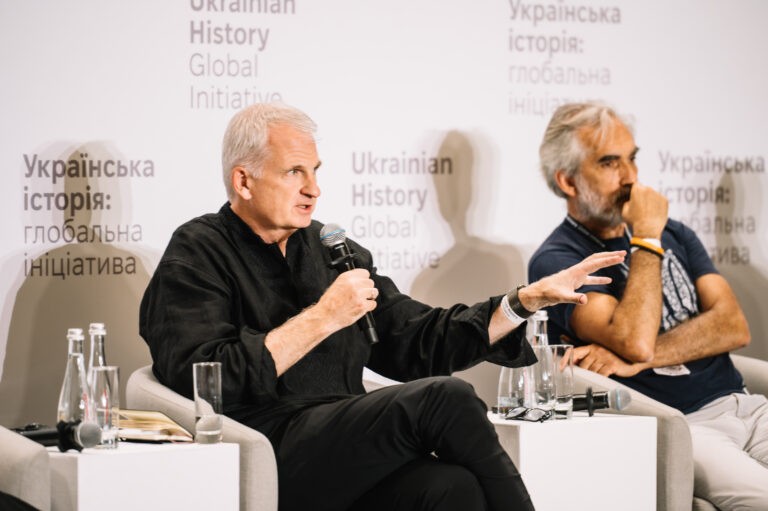
“We are after the truth. The idea is to seek the truth, the truth about who Ukrainians are, the truth about these lands, the truth about the relationship between these lands and these peoples, other lands and other peoples. What we’re after is the how and the why, the facts and the motives of people over thousands of years with the help of our methods”, outlined the project’s prospects and plans Timothy Snyder, Richard C. Levin Professor of History at Yale University, Permanent fellow at Institute for Human Sciences in Vienna, UHGI Chair of the International Academic Advisory Council.
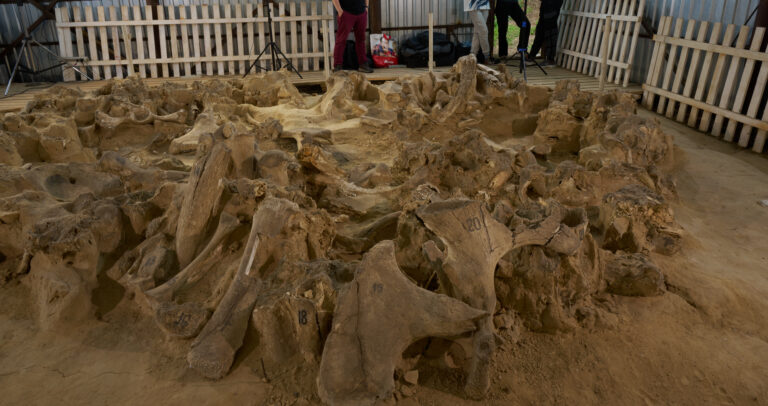
In this context, it is vital and important for the project to look as deeply as possible regarding the past anew, and refreshing our choices of futures. It is no coincidence that the first research topic goes back to the origins of life on the planet and prehistoric times. The endeavors are also concerned with ecology, survival and the future of humanity.
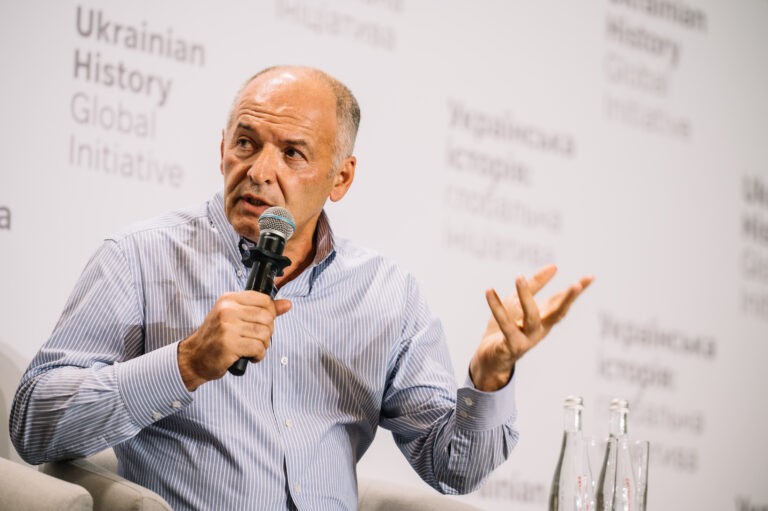
“With time, I understood more and more how vital for shaping our future, and for a vision of what we want to build, it is to know ourselves and our past. Who are we, and how did we become who we are? I invited more and more great historians, psychologists, philosophers to our events in Ukraine to inspire politicians. That is what brought me to this project in 2020: excellent historians from Ukraine and around the world should write our history anew together. I was so lucky that I could convince Timothy Snyder to conceptualize it. Ukrainians are very innovative so it fits that the project explores our long history with an innovation of a cross-disciplinary, collaborative approach. And with no fear of what we find because we are free. And it is crucial that the project’s structure, processes and results are independent and trusted. Therefore, the organizational structure ensures full freedom, open dialogue, and independence for the project and its participants”, said Victor Pinchuk, UHGI Founder and Trustee, Ukrainian philanthropist and businessman.
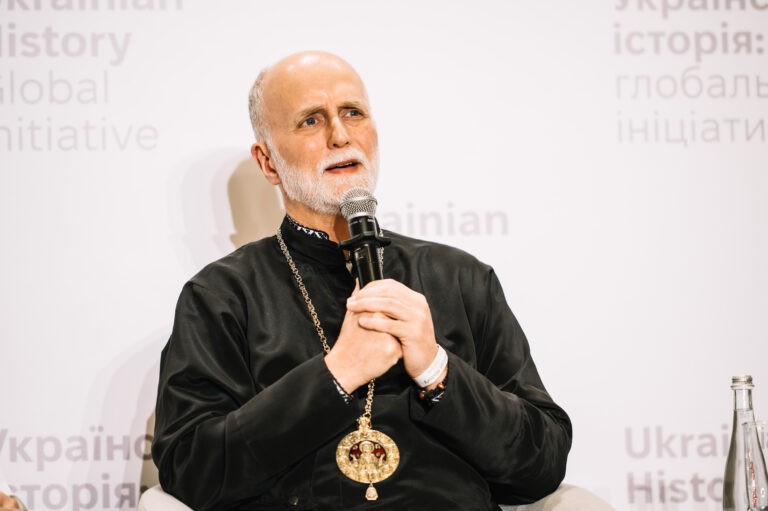
This project is unparalleled in its ambition. It is unprecedented in several ways, including in the extent of its research and the ways in which it will speak about history. “I have a deep conviction that this project will offer proposals for scholars in different fields, in different cultures, in different countries to re-examine methodology. You know, in history, it’s always revelatory when somebody discovers a new source, when somebody describes an unknown event or corrects a date. Much more important is when scholars comes up with new methodology. And that is the particular contribution of this project. I think nobody has done history like this before”, shared his expactations Borys Gudziak, Metropolitan-Archbishop of Philadelphia of the Ukrainian Greek Catholic Church, President of Ukrainian Catholic University and UHGI Trustee.
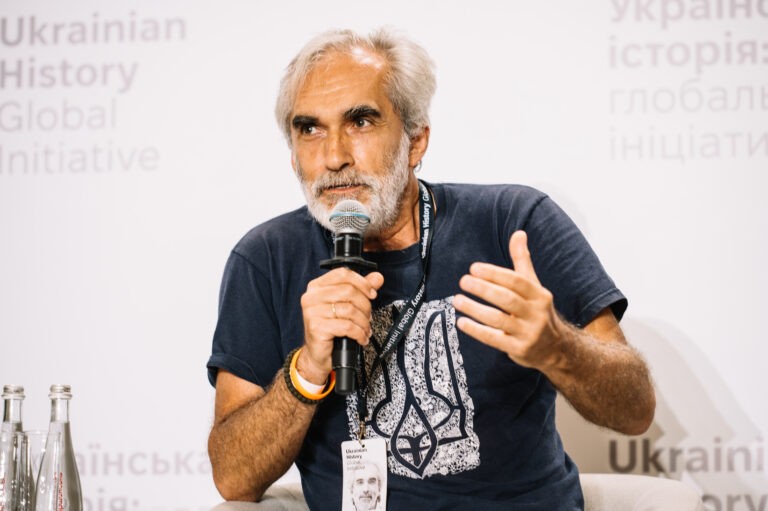
“Russian aggression against Ukraine became a turning point in European and even global history. The lack of stability and security in the region remains a significant concern, making it a key focal point in international affairs”, said Yaroslav Hrytsak, Professor, Ukrainian Catholic University, UHGI Co-Chair of the International Academic Advisory Council. — “This region, historically shaped by its geography and climate, has long been at the center of global conflict, with far-reaching political implications”.
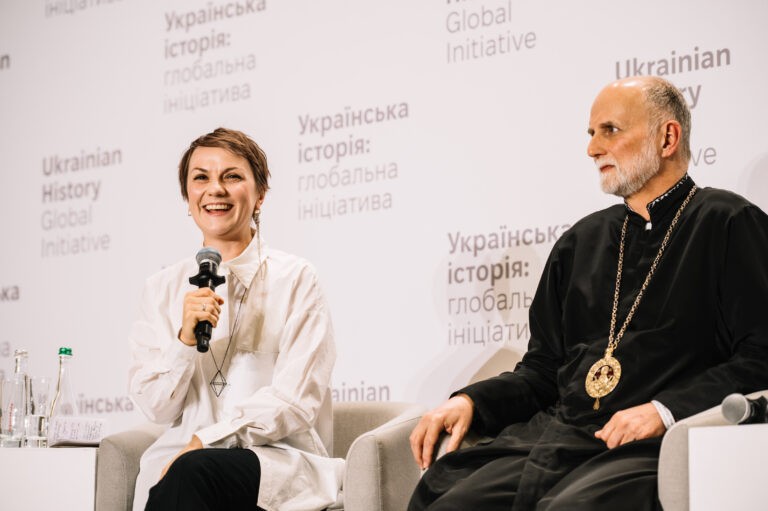
The project presentation was moderated by Nataliya Gumenyuk, UHGI Trustee, Ukrainian journalist specialized in conflict reporting, human rights, Co-Founder of Public Interest Journalism Lab.
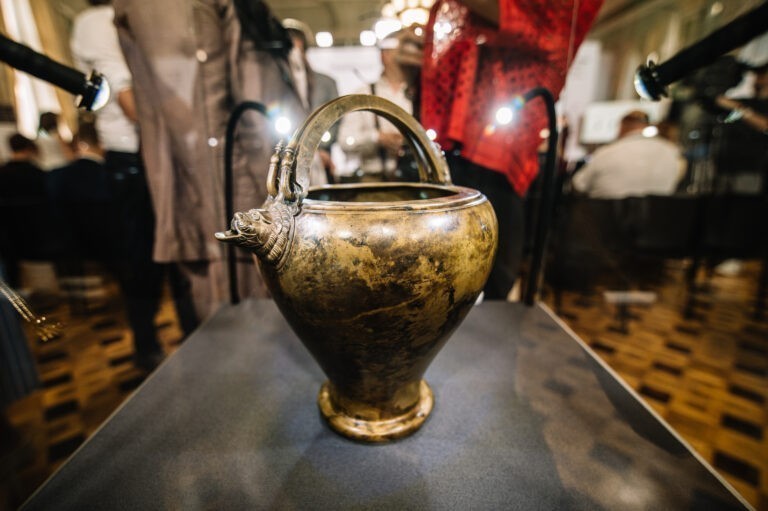
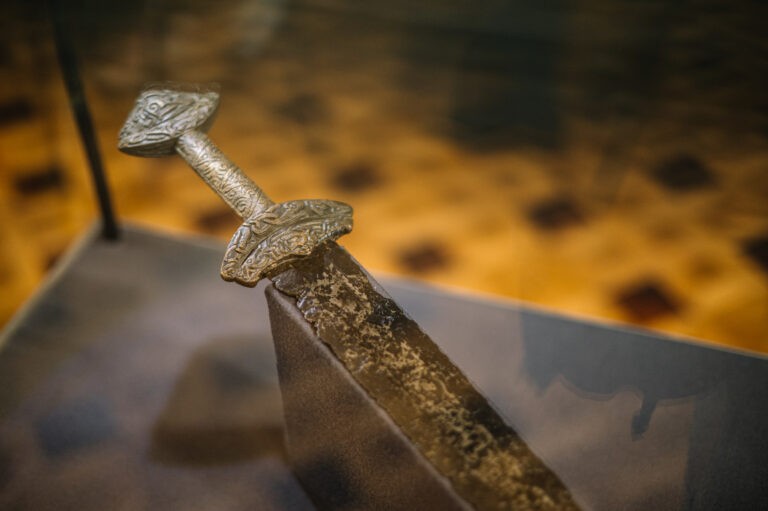
The National Museum of the History of Ukraine presented at the event four remarkable artifacts that showcase the interconnection of Ukrainian history and culture with broader European developments. These artifacts: a Grain Storage Vessel (Early 4th millennium BCE), Situla (4th century BCE), Processional Cross (11th century), and a Sword (11th century). The Situla belongs to a rare collection of ancient bronze vessels from the 6th to 4th centuries BCE, discovered in the 1960s in the Cherkasy region. Similar vessels were produced in the mid-to-late 4th century BCE in the ancient centers of Thrace or Macedonia.
The most notable piece is the 11th-century sword, discovered in the village of Dymer, thirty kilometers from Kyiv. The pommel base features snakes imagery with open jaws, a hallmark of the Scandinavian Ringerike style, with a similar motif found on a sarcophagus slab at St. Paul’s Church cemetery in London. The sword’s hilt is decorated in a geometric pattern, resembling the “running wave” motif common in Romanesque art. This sword belongs to a group of swords that emerged in areas of close contact between Denmark and Britain, most likely linked to the Danish environment of England.
The Ukrainian History Global Initiative is an international academic project founded by Viсtor Pinchuk in 2023, and registered as a charitable foundation in the UK. Its Board of Trustees is chaired by Carl Bildt, and Timothy Snyder is the head of the Academic Council. The UHGI will work towards an experiential, creative, deep and broad version of Ukrainian history, starting in prehistory, going to the present.