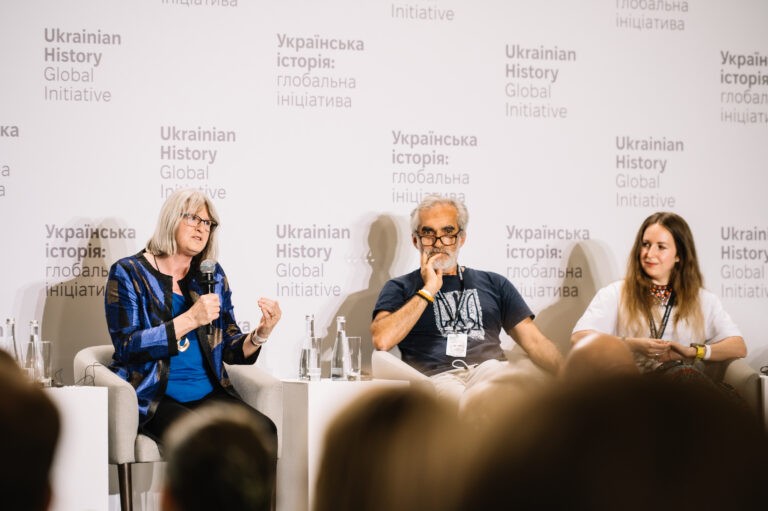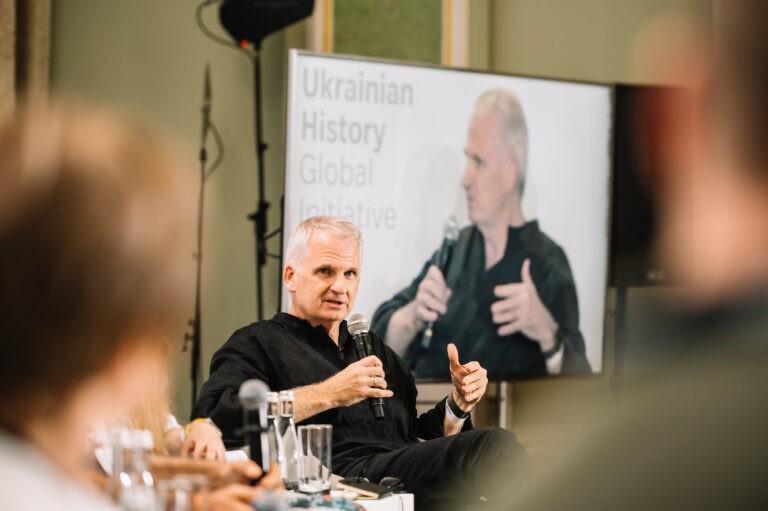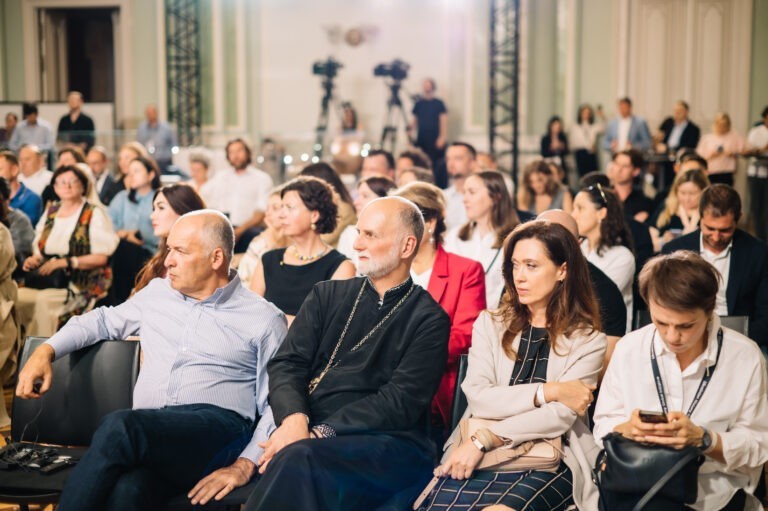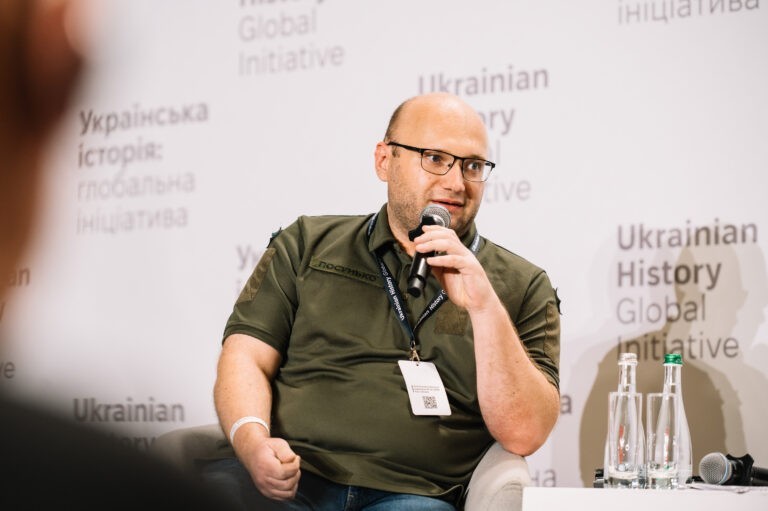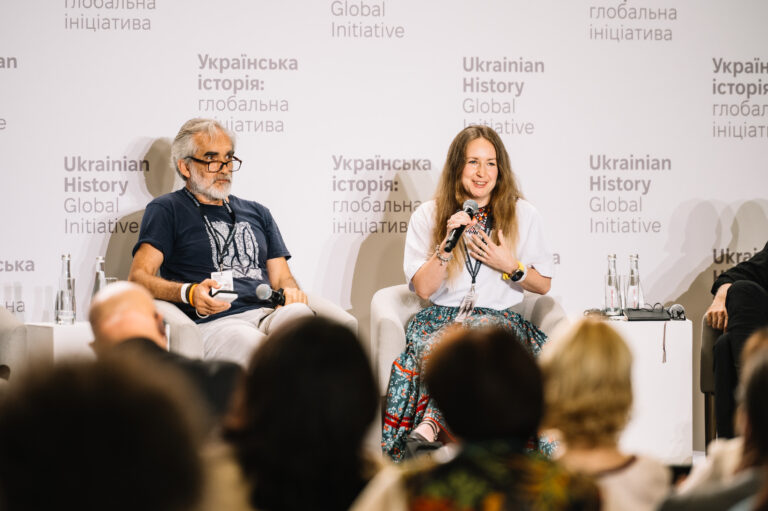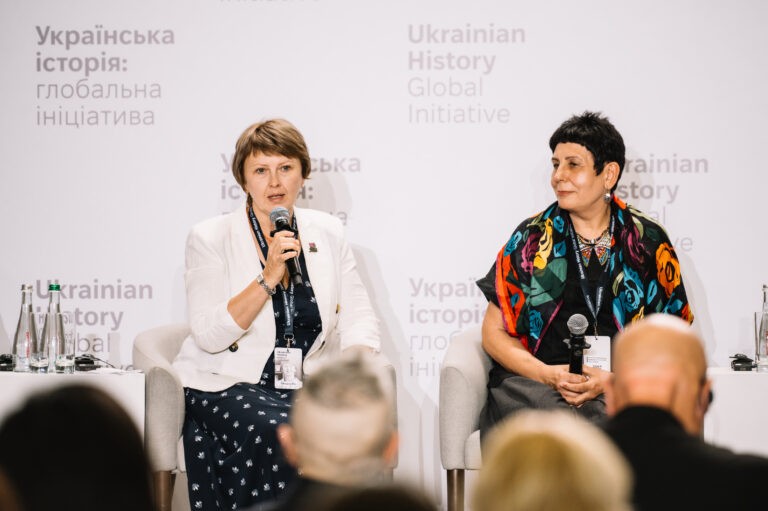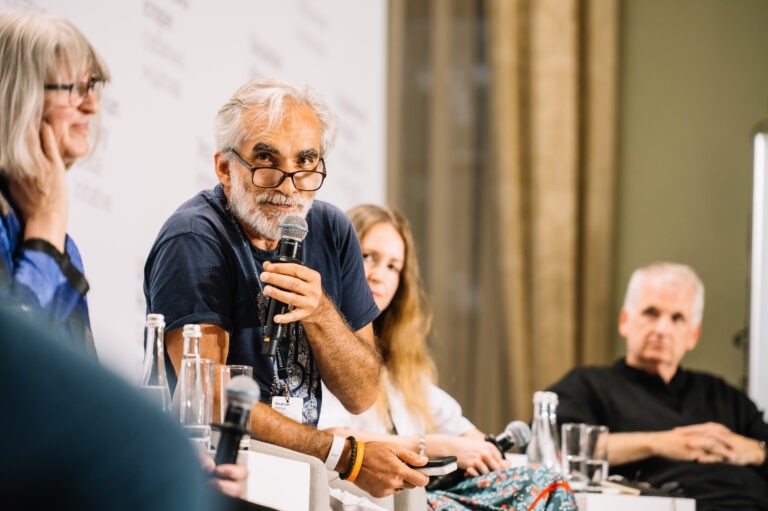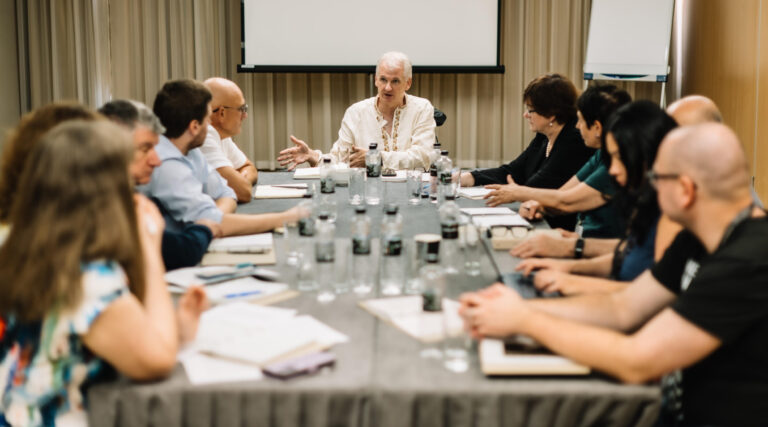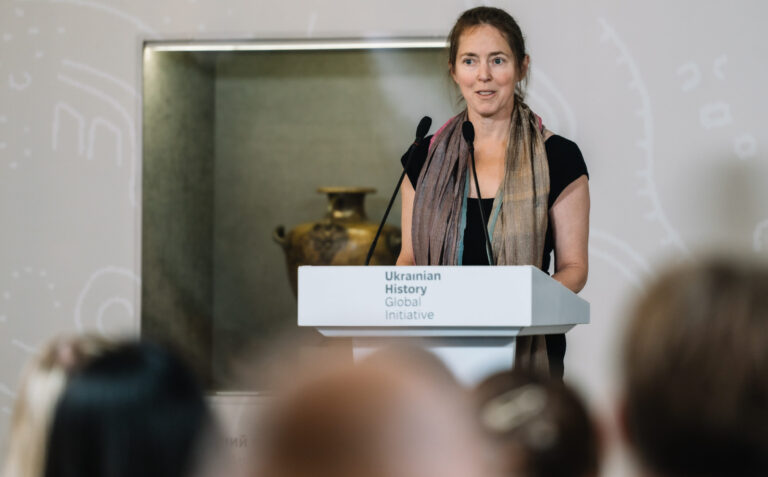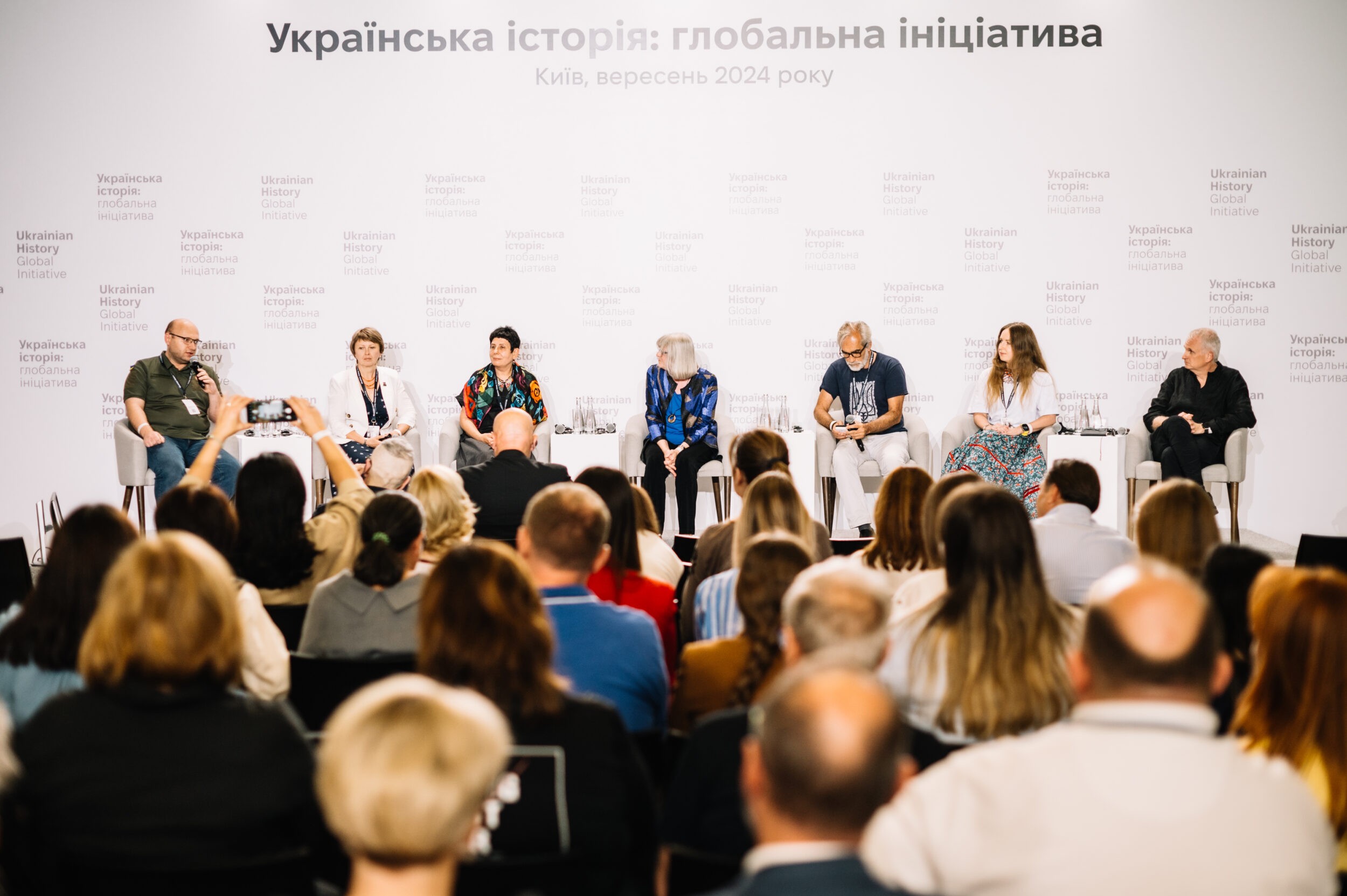
One of the innovations of the Ukrainian History Global Initiative is a new approach to the creation of academic knowledge. This was repeatedly emphasized by Serhii Plokhii during the presentation of the project in London in November 2023. After the first UHGI annual academic conference in September 2024 it was also noted by a wider range of scholars involved in the project.
Researchers usually work on a topic alone. On the one hand, this provides complete freedom, while on the other, it prevents the development of a global view on the research.
“A humanitarian is a solitary person. We are in front of our reader as in front of a god, usually one-on-one. The proposed form of the project was somewhat unexpected and I had some skepticism,” said Natalia Starchenko, Senior Researcher at the M.S. Hrushevsky Institute of Ukrainian Archeology and Source Studies and the Institute of History of Ukraine of the National Academy of Sciences. The scholar also noted that this experience creates conditions for really deep and sometimes tough, but no less interesting discussions, and allows one to look at the topic from a slightly different perspective.
“What cannot be done by one person will be done by a bigger team. A team that will include not only historians, but also art experts, archaeologists, natural scientists. Relying on each other’s expertise, lending a helping hand, we will be able to do what would be unlikely for a smaller team,” noted the importance of the collaboration Andriy Posunko, historian who currently serves at the 783rd Security Brigade of the State Special Transport Service.
Barbara Skinner, Professor of History at Indiana University, emphasized that the collaboration component determined her decision to participate in the project: “I don’t want to write anything else exclusively by myself. I’m very happy to share what I do with other people and to be enriched by the process of communicating with experts who explore so many different dimensions.”
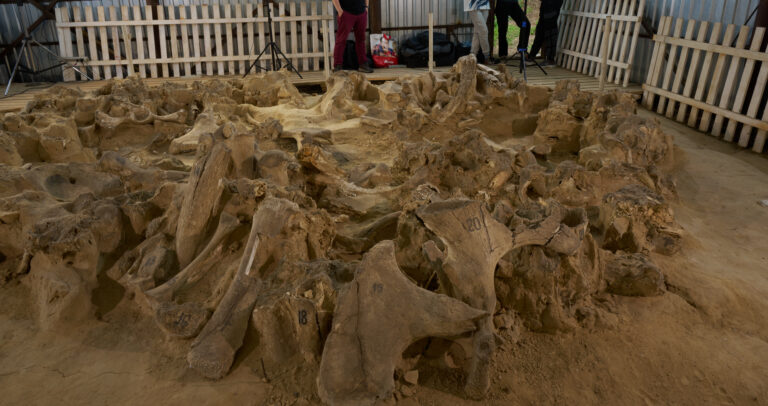
The project largely focuses on the ancient history of Ukraine, because the search for answers to the question “Who are we?” is perhaps the most global and debatable. Of course, this answer is not on the surface and goes much deeper. Timothy Snyder emphasized during the discussion that it is precisely in archaeological excavations and in artifacts that we touch the most tangible questions. Appealing to the artifacts from the Museum of the History of Ukraine presented at the event, Timothy Snyder noted that these artifacts “show that the people who made them had an idea of what holds the universe together. It’s not the same idea as ours, but it was there. And sometimes what they felt was more complex and sophisticated than we do. The people who inhabited ancient Rus had a view of the world that was more complex, more interesting than ours. It is important to go deeper and deeper back, even if we answer the question of when this Ukrainian subjectivity began,” said the Yale University professor and chairman of the project’s International Academic Advisory Council.
Four valuable artifacts from the National Museum of History of Ukraine were on display during the project presentation: a grain storage vessel (early 4th millennium BC, village of Kolodyste, Cherkasy region), a situla (4th century BC, village of Pishchane, Cherkasy region), a processual cross (11th century, East Roman empire, Middle Dnipro), and a sword (11th century, village of Dymer, Kyiv region).
“It seems to me that we need to go back and forth as far as we can. We are lucky, because we have cultures on the territory of Ukraine dating back to the early Paleolithic period. This is a million years ago. Since then, the first people continued to live on the territory of Ukraine in the Crimean Mountains, the Carpathians. Аurther 40 thousand years ago a modern human came to the territory of Ukraine, and the land has never been empty. This is something that we can take and look at as an experience and think about how we can meet the challenge of climate change, what patterns we might have in common or not,” emphasized Marta Andriyovych, a postdoctoral researcher at the School of Archaeology at the University of Oxford.
According to scholars, looking at Ukrainian history from the perspective of longue duree opens up significant prospects in the context of finding answers to the most challenging questions of our history.
“Within the framework of this project, at least, I am very grateful that we can talk about those social groups or regions that are not very visible to historians, or periods that seemed either uninteresting or there were few sources about them, or their significance was not very clear,” – said Oksana Kis, Senior Research Fellow at the Institute of Ethnology of the National Academy of Sciences of Ukraine. “I think that the richness of this historical “soup”, the concentration of knowledge will give us the opportunity to crystallize some better ideas about the past and about the ideas that are important to us, that help us answer the questions of who we are, where we come from, since when we have been around.”
The discussion was held in Kyiv on September 11, 2024. It was moderated by Yaroslav Hrytsak, Professor at the Ukrainian Catholic University and co-chair of the Academic Council of the Initiative.