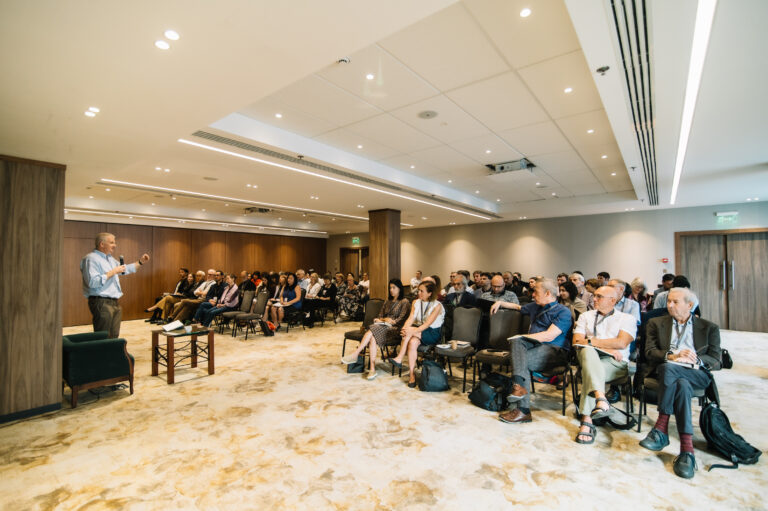
How do you tell a story people will actually want to read? This was the question at the heart of the second annual conference of the Ukrainian History Global Initiative, which once again brought together Ukrainian and international historians in Kyiv on September 8–10, 2025. The discussions focused on the texts that will form part of an unprecedented publication on the history of Ukraine.
Two central challenges remain. The first is how to write for a broad audience — how to shape historical narratives so they are read not only by fellow historians but also by anyone with an interest. The second is how to tell the global history of Ukraine. These tasks are inseparable: they are about both how to write and what to write.
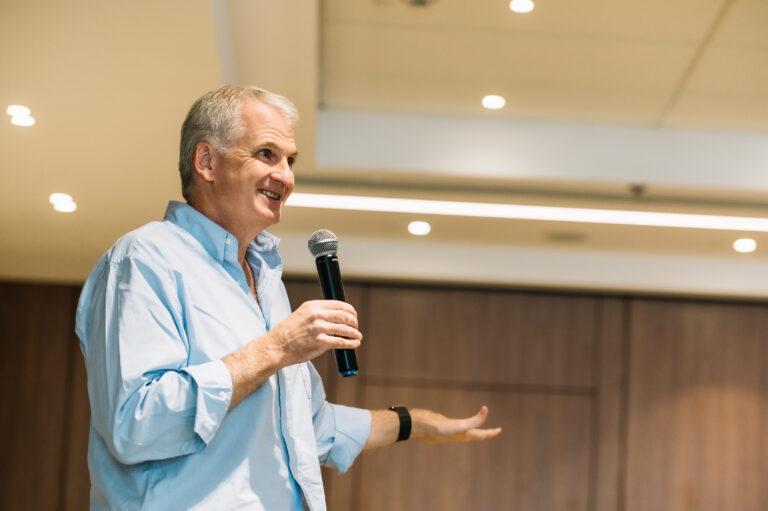
Most academic projects and conferences focus on process: exchanging ideas, intellectual encounters, and discussions often become their main outcomes. For UHGI, these are important too, but they are part of a larger aim — producing a body of texts on the history of Ukraine for the wider public. This attention to the final product and to the reader was the central theme of the keynote lecture by Timothy Snyder, Chair of UHGI’s Academic Council, which opened the conference.
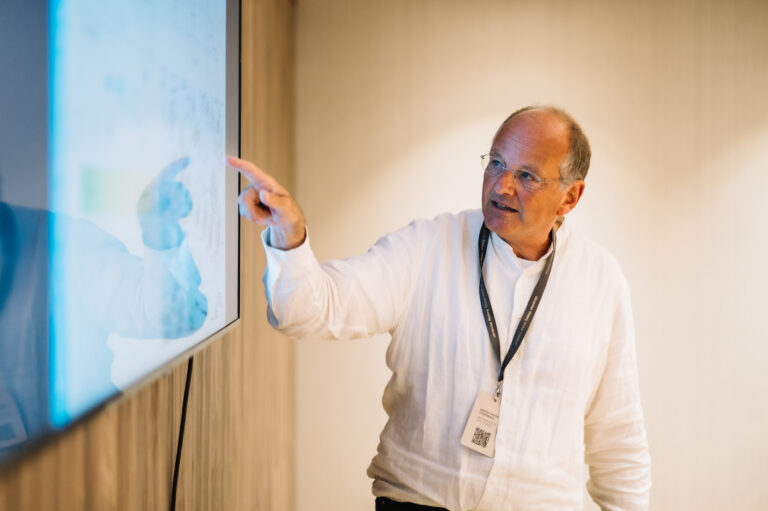
In his lecture, Snyder underlined the need to write from the perspective of the reader and with empathy for them. “It is important to imagine real readers in real reading situations,” he said. “Picture a high school student in a bus who has a homework assignment to do about the Cossacks and is clicking on his phone when the first page of your article about Cossacks comes up. Can that high school student read it in class? Because that is a real reading.”
Snyder stressed that writers can expect goodwill from their readers, but not prior knowledge. Authors cannot demand erudition, because every unfamiliar term or unnecessary complication creates distance: “when we use a term that isn’t generally known, it’s not just a gap, it’s a moment of alienation. It’s a moment where we’re telling the reader that the reader is not smart or that the reader doesn’t belong to us, and the text doesn’t belong to the reader.”
When the reader must be “won over,” the structure of the text becomes especially important. The first sentence must make the reader want to continue to the second. “Everyone in the world is a potential reader of your text. The only person who’s not a potential reader of the text is the author,” Snyder remarked, urging participants to think imaginatively and move beyond standard academic practice. The full text of the lecture in Ukrainian is available on the Ukraina Moderna website via the link.
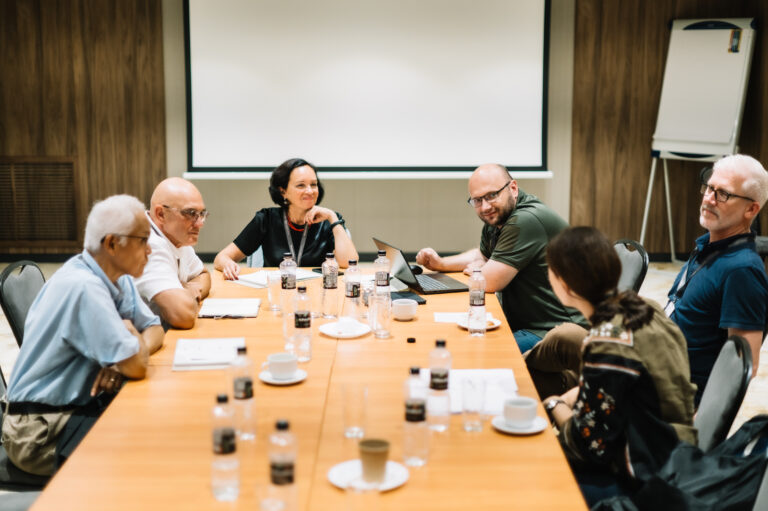
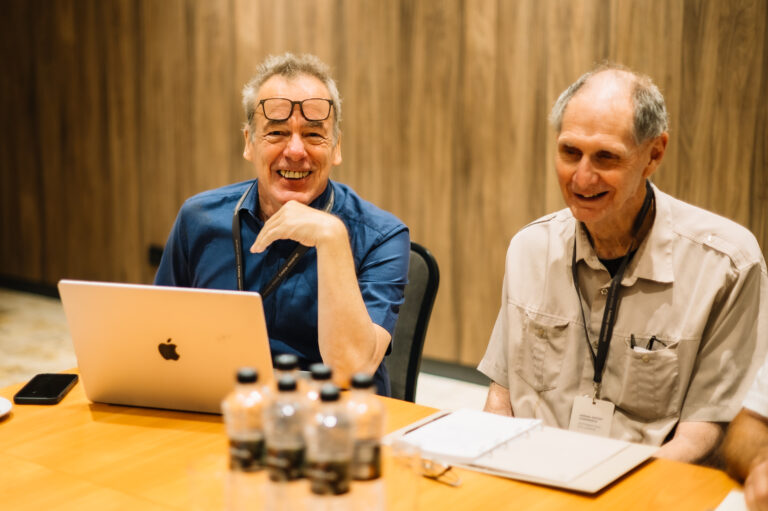
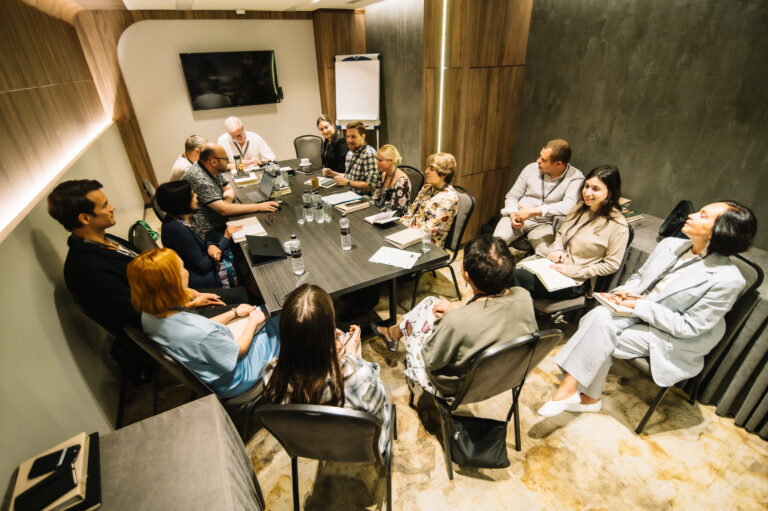
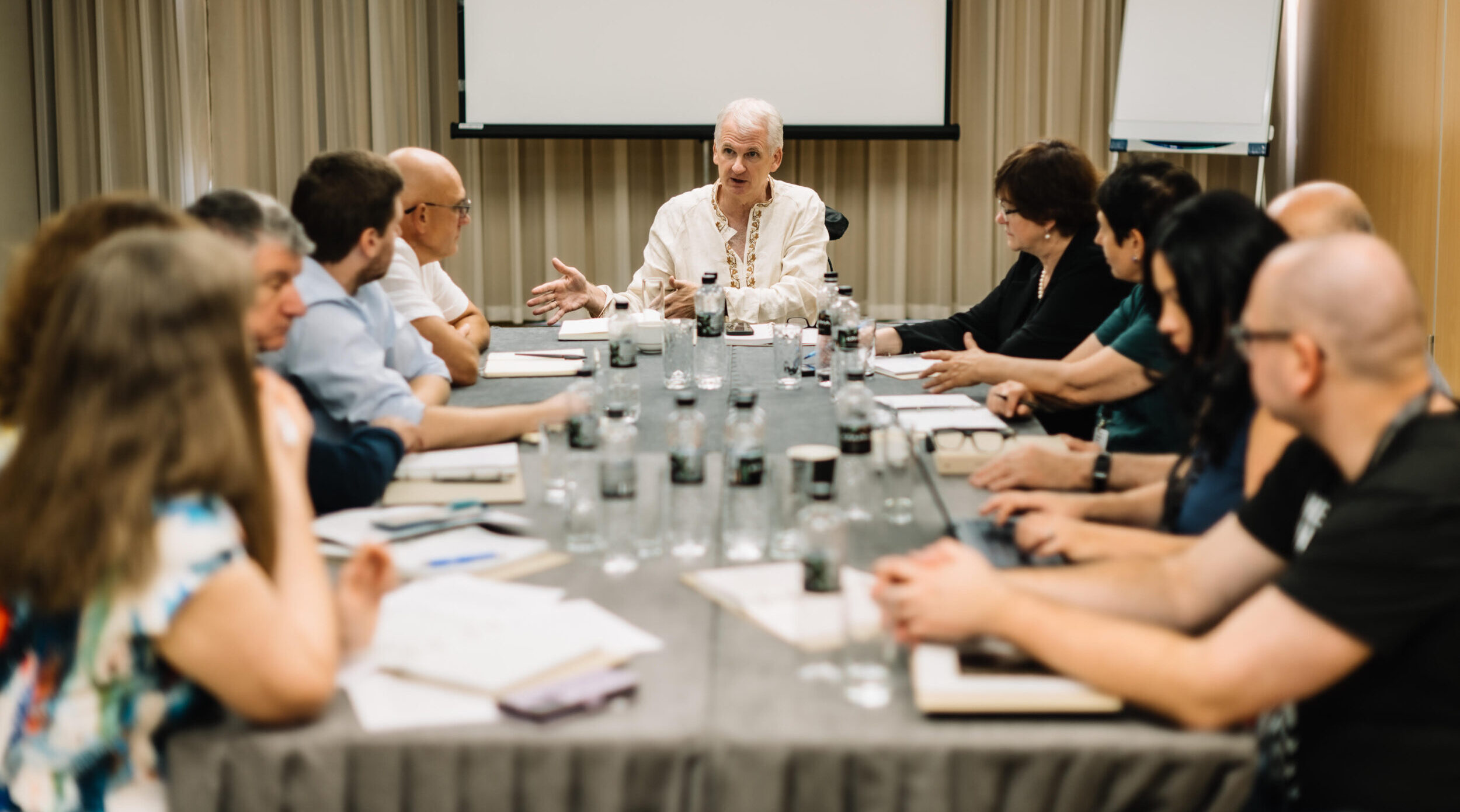
Over the three days, participants worked in groups, carefully reading and discussing pre-submitted texts, analysing strengths, identifying the areas for improvement, and adding insights from their own expertise. The outcome of this work will guide the next stages of editing and revision. The year 2026 will be decisive: that is when the intensive work on the texts will take place.