How do you tell the story of Ukraine to someone in Brazil, India, or South Africa?
This is the question at the heart of the “Ukrainian History: Global Initiative,” a project bringing together more than 160 scholars from across Europe, North America, Africa, Australia, and the Middle East. Their goal is ambitious: to rethink how Ukraine’s past is written and to make it accessible to a global audience.
This is not just an academic exercise. It is an attempt to place Ukraine’s history within a broader global context, and to move beyond narratives that have long treated it as peripheral or derivative.
History as storytelling
One of the central challenges facing the project is not what to say but how to say it.
How can historians explain complex processes without losing depth, while still engaging non-specialist readers?
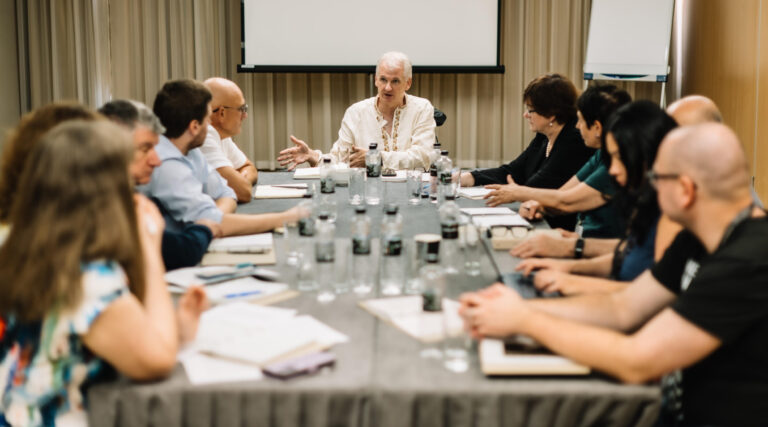
During a series of workshops, historian and international best-selling author Yuval Noah Harari encouraged participants to think of themselves not only as scholars, but as storytellers.
His message was clear: complexity does not have to mean obscurity. Good historical writing should be both intellectually rigorous and readable. That requires clarity of argument, narrative structure, and an awareness of the reader.
Following these sessions, participants continued their work in smaller meetings, applying these ideas to their own texts and exchanging feedback.
A space for exchange
In-person workshops have become a key part of the initiative.
The first major meeting of 2026 took place in January at the University of Aberdeen in Scotland. It focused on early medieval encounters between nomadic and settled societies on the territory of present-day Ukraine, highlighting the region as a space of interaction rather than isolation.
The workshop was initiated by historian Robert Frost, a specialist in early modern Eastern Europe.
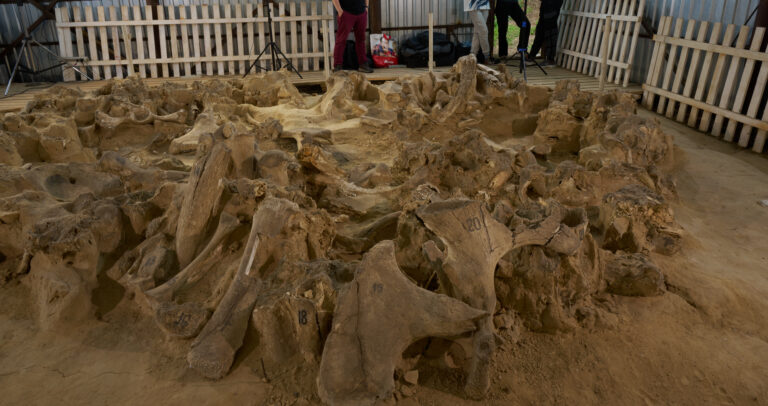
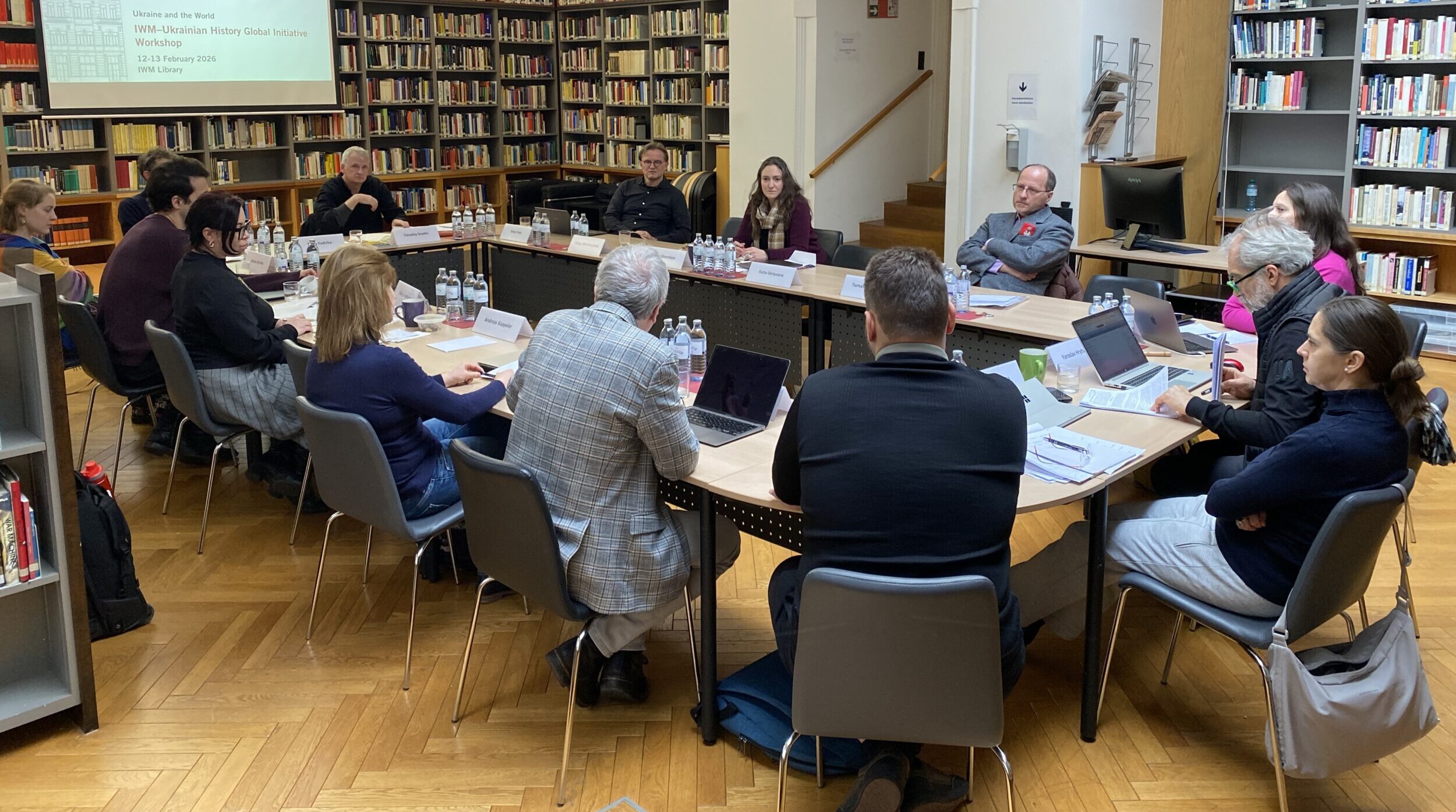
Further meetings followed in Vienna and Uzhhorod, where scholars discussed topics ranging from ancient history to archaeology, as well as the conceptual frameworks of future chapters.
An important dimension of these discussions was visual storytelling. Participants discussed with artists to explore how complex historical narratives can be translated into visual form, an increasingly important tool for reaching broader audiences.
When the past shapes the present
Public events held alongside the workshops brought these ideas to a wider audience.
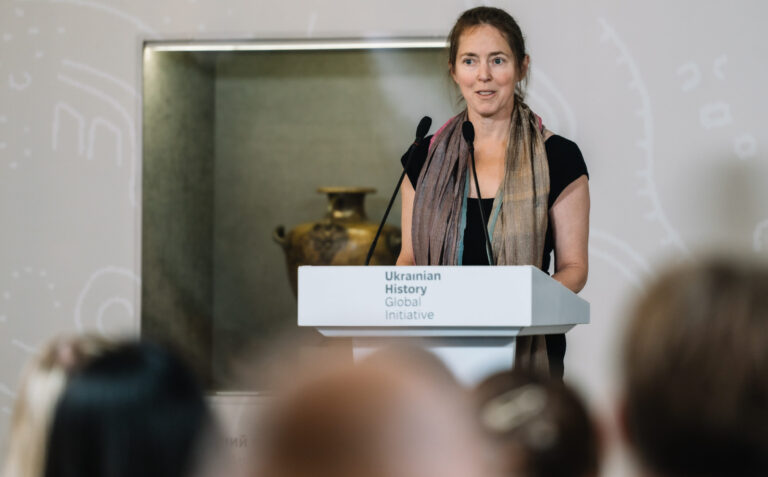
At a lecture in Aberdeen, Timothy Snyder argued that Ukrainian history cannot be understood as a purely local story. It is deeply connected to global historical processes and essential for understanding today’s world.
To illustrate this, he turned to the example of the Sheptytsky brothers, prominent leaders of the Ukrainian Greek Catholic Church. By choosing the monastic names Clement and Andrey, they symbolically linked Ukraine to both the classical heritage of Rome and the Byzantine tradition.
Such choices, Snyder suggested, show how interpretations of the past actively shape political realities in the present.
Freedom as a practice
Another public discussion took place in Uzhhorod, where Timothy Snyder spoke with human rights activist and soldier Maksym Butkevych about the meaning of freedom.
Their conversation emphasized that freedom is not an automatic outcome of historical progress. It is something that must be actively practiced and defended.
They focused on three key ideas:
- the dangers of nostalgia and attempts to “return” to an imagined past
- the importance of truth and intellectual integrity in times of crisis
- the role of imagination in building a shared future
The discussion, organised by the online journal Varosh:
Building a global network
In the coming months, around ten more workshops are planned across Europe, Canada, and the United Kingdom.
Yet the most important outcome of the initiative may not be the texts themselves.
It is the emergence of an international network of scholars working together to reshape how Ukraine is understood globally.
In recent months, the project has welcomed new contributors, including authors working on shorter, synthetic texts that connect different historical themes. The Academic Council has also expanded, bringing in leading scholars to guide the initiative.
For a long time, Ukraine’s history has been underrepresented in global narratives or told through the perspectives of others. That is now beginning to change.
The “Ukrainian History Global Initiative” is not only filling a gap. It is making a broader claim: that Ukraine’s past is an integral part of world history, and that understanding it is essential for understanding the present.